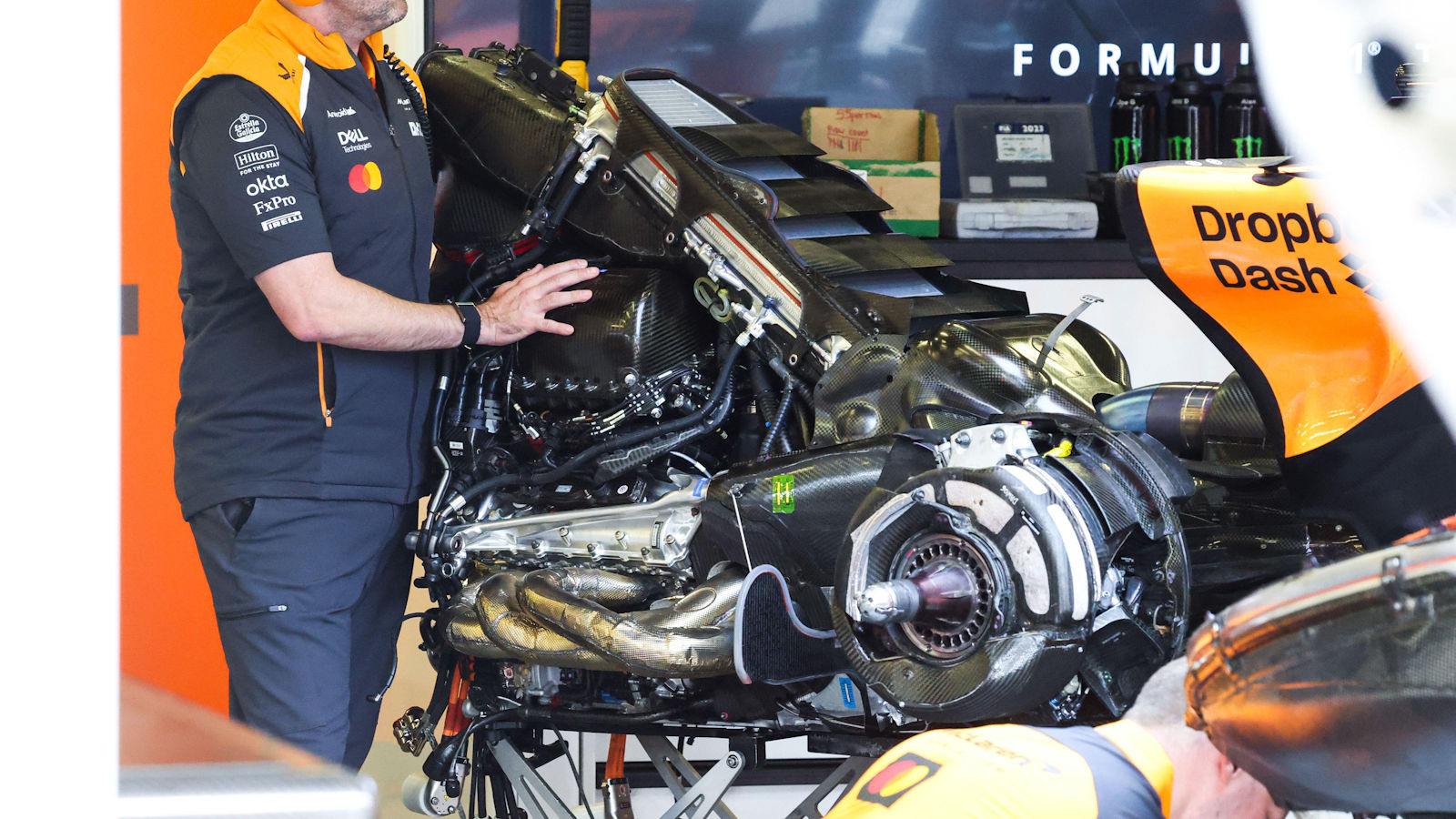
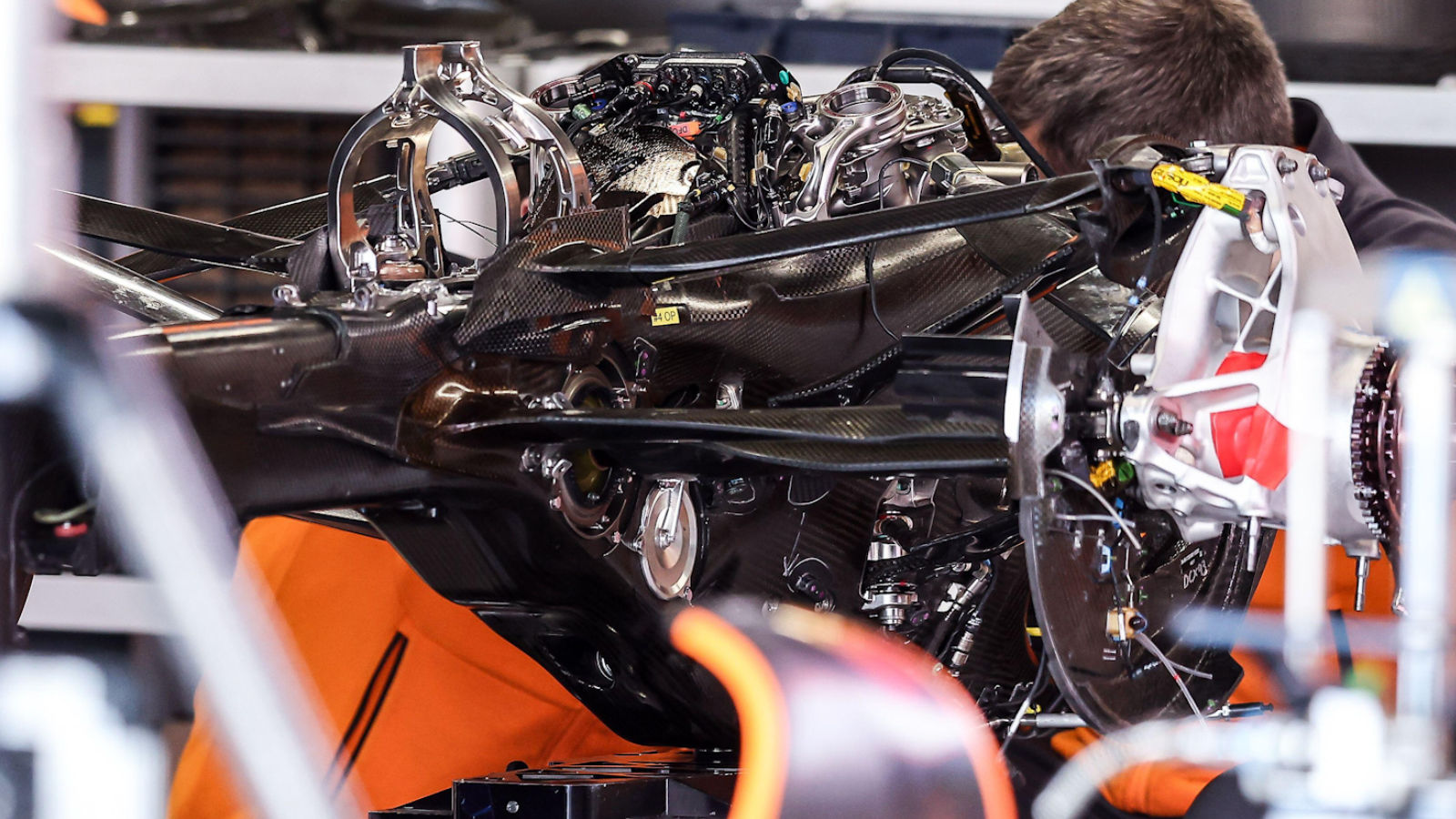
McLaren MCL39

A place to discuss the characteristics of the cars in Formula One, both current as well as historical. Laptimes, driver worshipping and team chatter do not belong here.
User avatar
bauc
35
Joined: 19 Jun 2013, 10:03
Location: Skopje, Macedonia

Re: McLaren MCL39

Post

_cerber1 wrote:
08 Dec 2025, 21:54
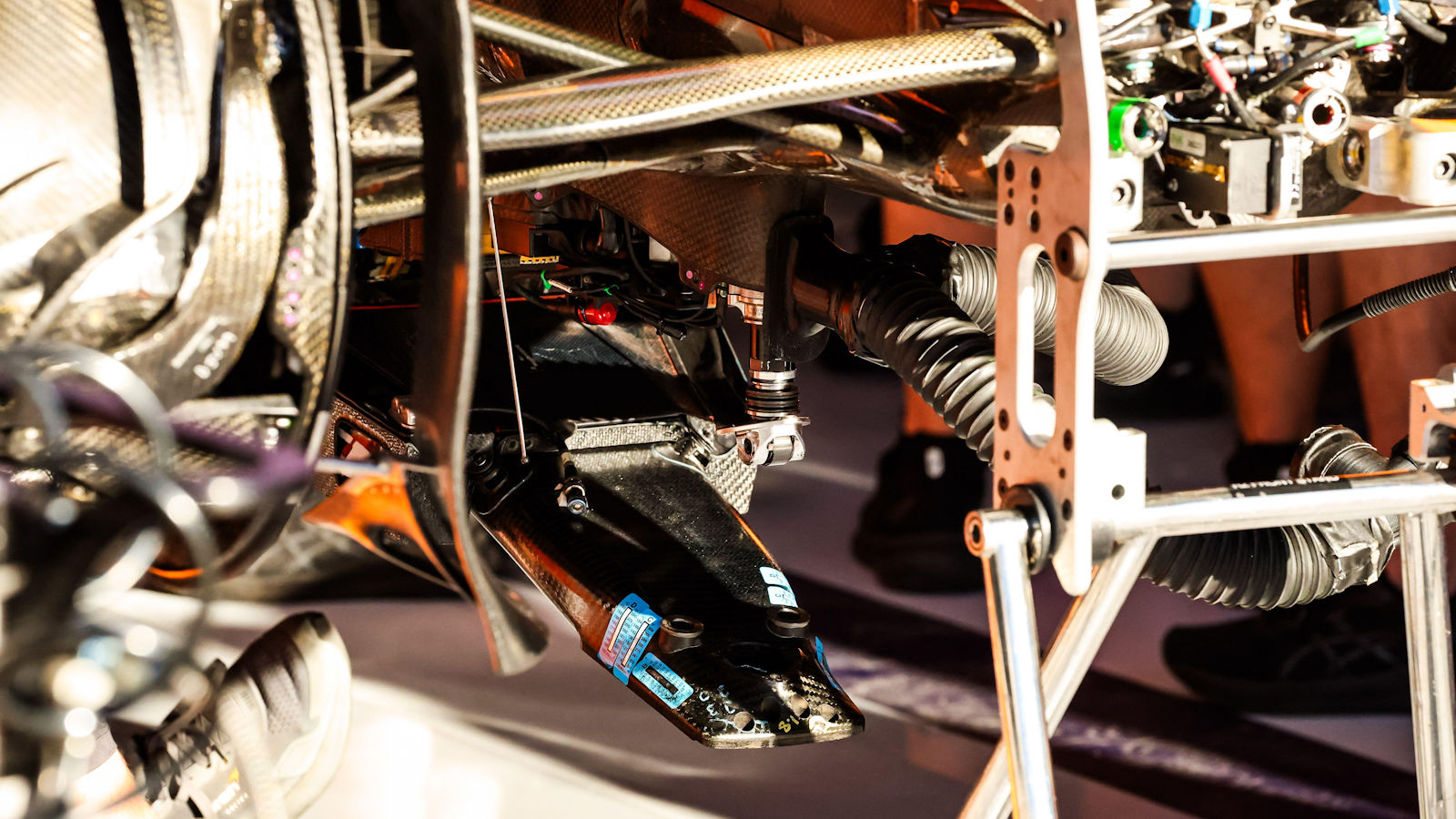
What can we take with us from this beautiful car into the 2026 season?
Suspension
Формула 1 на Македонски - The first ever Macedonian Formula 1 YouTube channel
https://www.youtube.com/channel/UCJkjCv ... 6rVRgKASwg

SB15
SB15
6
Joined: 15 Feb 2025, 22:47

Re: McLaren MCL39

Post

bauc wrote:
08 Dec 2025, 22:39
_cerber1 wrote:
08 Dec 2025, 21:54
What can we take with us from this beautiful car into the 2026 season?
Suspension
More than likely will be different geometry's.

User avatar
venkyhere
30
Joined: 10 Feb 2024, 06:17

Re: McLaren MCL39

Post

Emag wrote:
08 Dec 2025, 17:55
As we are closing onto this chapter, wanted to touch one last subject which was particularly impactful on McLaren I would say. The original idea behind the ground effect rules was to make the cars follow more closely, but as the seasons went on most teams shifted their aero philosophy toward generating a stronger outboard fence vortex at the front of the floor. I believe that vortex became a key part of sealing the tunnels and protecting the low-pressure region from tyre wake. The problem is that, at least from an amateur eye's perspective, that kind of structure seems extremely dependent on receiving clean, energetic flow. Once it gets hit with disturbed air from the car ahead, it can weaken, diffuse or shift laterally, and the whole pressure distribution under the floor becomes less stable almost instantly.

I believe McLaren was one of the teams leaning the hardest into a high-energy, highly loaded version of this concept. Their floor design rewards them with very strong peak downforce and a predictable platform when everything is running smoothly. You can see this in how confident their front end looks in clean air. In my opinion this came at a trade-off. Their aero platform seemed to operate closer to the edge of stability with the MCL39 and I believe that's why Lando in particular suffered so much earlier on the season, making a lot of mistakes.

And I believe, for McLaren in particular, the "over-reliance" on that vortex was probably one of the reasons why they seemed to struggle more in dirty air than others. If that vortex loses strength even slightly, the forward part of the tunnel stops pulling as hard and the front grip falls away very quickly.

A small caveat here, this is obviously just an amateur's interpretation from the outside, but I think the pattern fits. The regulations pushed everyone toward more vortex-supported floors, but I think McLaren’s particular implementation seemed to rely on that structure being perfectly preserved. With the MCL39, they chased a closer and more complex interaction between the front suspension arms and that outboard fence, potentially acting as a "booster" to deal with the tire wake. So from that perspective, I believe the decision to go for it had less to do with chasing an extreme anti-dive setup, as some earlier comments suggested, but mostly about "reviving" the y250 vortex conceptually.

In the end, this car had many more tricks up its sleeves, particularly with temp management, which until the end of the season, remained uncracked (as far as I know). Going into next year, it would be interesting to see how the current McLaren fares on a brand new regulation cycle. In 2022 they struggled, but we are talking about two completely different teams. These last 2 years were impressive, but they did not have to "come up" with the "correct" aero platform by themselves. RedBull proved the right direction already in 2022.

The big question now is whether McLaren can be the ones who set the trends going forward. On paper, they should be one of the most capable teams in the field. So if they are not at least challenging for the podium from the start of the year, I think it would be fair to consider it a major disappointment.
While I am not competent enough to discuss the implications of kinematics on floor front/edge vortices and their influence on floor aero, I can say with conviction, about some 'mechanical' observations from the onboards :

- The McL39 had too much front grip in high speed corners/sweepers, and Norris was the guy who suffered, Piastri loved it. Until the 'front suspension update' came, I am almost sure (iirc) seeing Norris apply a small dose of 'counter steer' immediately after turning in for a high speed corner - T1 in China, T21-22 in Jeddah, many parts in Bahrain (can't remember the corne numbers) etc. By the time it got to places like Spa/Monza etc (by which time the update had come, iirc), don't remember seeing the same difficulty for Norris.
- The trick front suspension design made the nose of the car water-boatman like in steering response, Norris' steering inputs are quicker while Piastri's is more progressive and smoother (very much Verstappen like) in high speed corners. It was actually comical to that amongst the top4 teams, whilst three of them were struggling to get rid of understeer throughout the season, the McLaren was always getting 'tuned' through the FP sessions to get a little bit of understeer added, to make the car "less-Verstappeny" and easier to control.
- the 'change' that they brought which helped Norris (and which Piastri didn't need) was , to my inference, simply a 'dulling down' of the steering response, that enabled Norris to 'feel the feedback more' and gain confidence.
- Plus, w.r.t dirty air, my inference is exactly opposite to yours, McLaren is the ONLY car on the grid which could follow another car consistently for many many laps. Norris in Austin & Singapore, Piastri for most parts of 2nd half of the season where he kept finishing P5-P6 following closely behind Kimi/Russel/LeClerc throughout the final stint ; are glaring examples. Every car suffers a pace loss when chasing in dirty air, probably that's what lulls into the belief that McLaren has the hardest time following, because we are not used to McLaren running at 'same pace' as others (except Verstappen when the RB21 is good on that day) and expect an immediate overtake. With other cars, we don't notice their suffering, because we don't expect many overtakes unless there is a tyre delta (since the ruleset has converged across teams, and the pace-spread is much closer than ever before).

User avatar
SilviuAgo
76
Joined: 15 Aug 2020, 16:08

Re: McLaren MCL39

Post

Imo McLaren MCL39 emerged as one of the most balanced and well-developed technical packages of the 2025 Formula 1 season. The car combined a stable aerodynamic platform with an efficient suspension system and an exceptionally optimized cooling package, delivering consistent performance across a wide range of circuits.

■ Strengths

1. Aerodynamic platform with high load stability
The MCL39 delivered a notably stable aero map across varying pitch and ride-height conditions. The underfloor and diffuser geometry maintained consistent local pressure distribution even under transient loads, reducing platform oscillation and improving mid-corner balance. This translated into strong medium-speed cornering and high-confidence rotation.

2. Optimized front suspension
The refined anti-dive characteristics and updated geometry of the front suspension reduced unwanted chassis movement and improved mass transfer under braking and direction changes, resulting in a cleaner handling profile and better tyre management.

3. Excellent tyre management
The MCL39 consistently maintained tyre life better than many rivals, enabling long stints without sudden drops in grip. This made the car particularly strong in race trim and strategic flexibility. Its combination of progressive aero load and well-managed mechanical compliance allowed the drivers to sustain competitive laps with minimal drop-off, especially on abrasive or high-energy circuits.

4. Ability to follow closely without excessive tyre wear
The car’s aero concept mitigated load loss in disturbed flow, particularly at the front end. The front wing and underfloor inlet regions were less susceptible to separation when operating in turbulent air, allowing the car to maintain downforce without pushing the tyres into thermal overload. This resulted in unusually good performance in close-quarters racing.

5. Extremely efficient cooling package
One of the most technically impressive features of the MCL39 was the thermal management system. During high-altitude and high-temperature events (notably Mexico), McLaren operated with significantly reduced cooling inlet area compared to Ferrari, Mercedes, and Red Bull. The tight packaging, optimized heat exchanger placement, and efficient airflow routing allowed the team to maintain thermal stability without resorting to large bodywork apertures, minimizing drag penalties and preserving aero efficiency.

■ Weaknesses and areas where rivals still held an advantage

1. Aerodynamic efficiency on straights / top-speed
Despite its cornering stability, the MCL39 lacked the ultimate low-drag efficiency of cars like the Red Bull. On circuits that heavily reward straight-line speed, competitors often had the upper hand.
eq: Monza, Baku, Las Vegas.

2. Behavior under heavy-braking conditions
On tracks with hard braking zones, the car occasionally showed limitations, becoming sensitive to thermal overload and minor stability losses during extreme braking events. Peak vertical loads occasionally induced micro-instabilities in the aero platform and minor temperature spikes in the front axle, affecting balance consistency on tracks characterized by repeated heavy braking events
eq: Canada or Las Vegas

3. Difficult moments on circuits with unusual degradation patterns
In weekends where tyre behavior or temperatures deviated significantly from expectations, McLaren’s usual tyre-management advantage diminished, allowing rivals with more adaptable setups to gain ground.
eq: Canada or Singapore
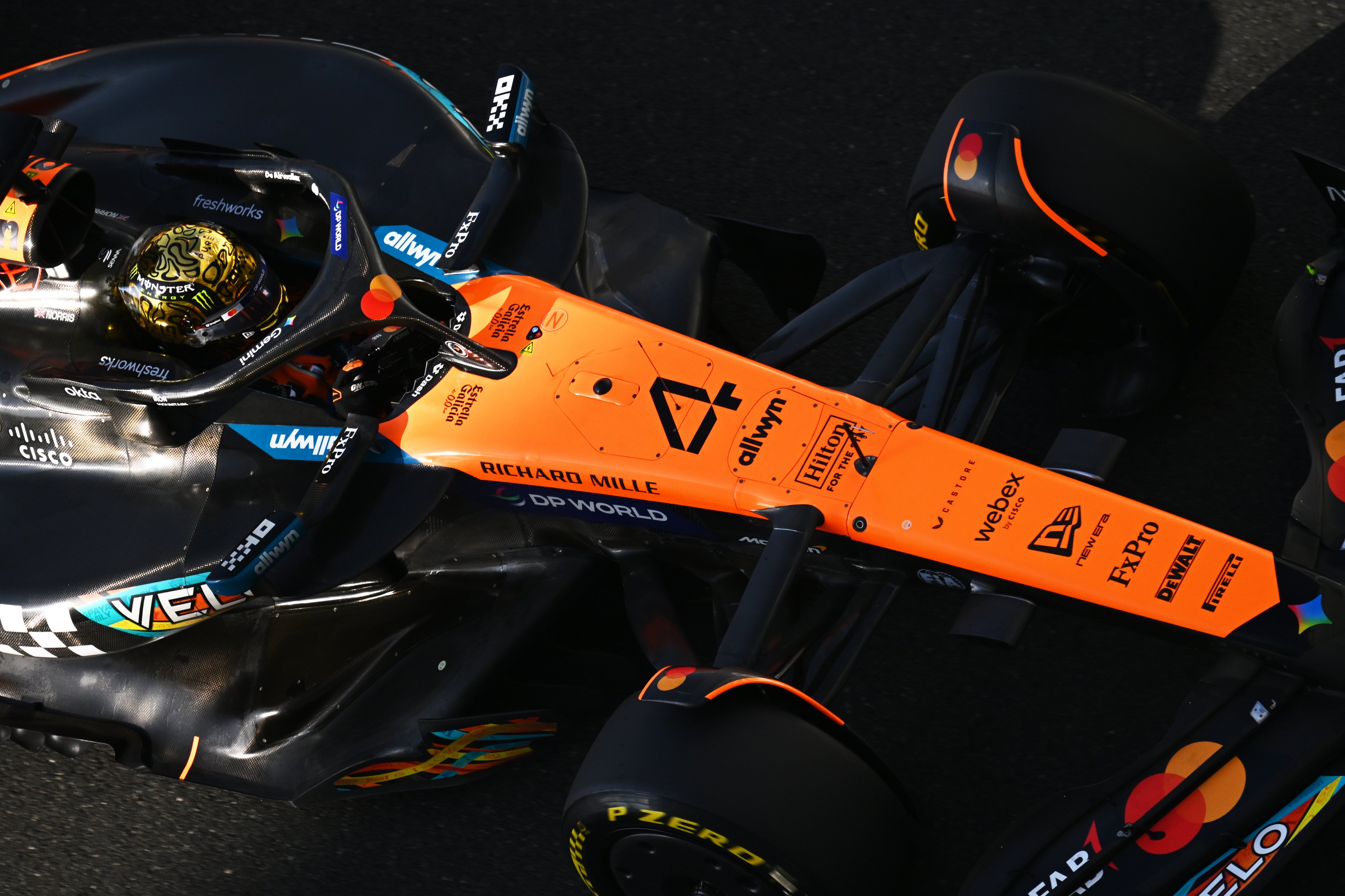
Image
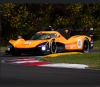
photo: two world champions for a last ride: MCL39&LN4.
source: mclaren, testing day AbuDhabi.

Emag
Emag
115
Joined: 11 Feb 2019, 14:56

Re: McLaren MCL39

Post

venkyhere wrote:
09 Dec 2025, 03:05
While I am not competent enough to discuss the implications of kinematics on floor front/edge vortices and their influence on floor aero, I can say with conviction, about some 'mechanical' observations from the onboards :

- The McL39 had too much front grip in high speed corners/sweepers, and Norris was the guy who suffered, Piastri loved it. Until the 'front suspension update' came, I am almost sure (iirc) seeing Norris apply a small dose of 'counter steer' immediately after turning in for a high speed corner - T1 in China, T21-22 in Jeddah, many parts in Bahrain (can't remember the corne numbers) etc. By the time it got to places like Spa/Monza etc (by which time the update had come, iirc), don't remember seeing the same difficulty for Norris.
- The trick front suspension design made the nose of the car water-boatman like in steering response, Norris' steering inputs are quicker while Piastri's is more progressive and smoother (very much Verstappen like) in high speed corners. It was actually comical to that amongst the top4 teams, whilst three of them were struggling to get rid of understeer throughout the season, the McLaren was always getting 'tuned' through the FP sessions to get a little bit of understeer added, to make the car "less-Verstappeny" and easier to control.
- the 'change' that they brought which helped Norris (and which Piastri didn't need) was , to my inference, simply a 'dulling down' of the steering response, that enabled Norris to 'feel the feedback more' and gain confidence.
- Plus, w.r.t dirty air, my inference is exactly opposite to yours, McLaren is the ONLY car on the grid which could follow another car consistently for many many laps. Norris in Austin & Singapore, Piastri for most parts of 2nd half of the season where he kept finishing P5-P6 following closely behind Kimi/Russel/LeClerc throughout the final stint ; are glaring examples. Every car suffers a pace loss when chasing in dirty air, probably that's what lulls into the belief that McLaren has the hardest time following, because we are not used to McLaren running at 'same pace' as others (except Verstappen when the RB21 is good on that day) and expect an immediate overtake. With other cars, we don't notice their suffering, because we don't expect many overtakes unless there is a tyre delta (since the ruleset has converged across teams, and the pace-spread is much closer than ever before).
McLaren never disclosed what the front suspension "upgrade" was. From a performance point of view, it's safe to assume both cars were equal. What transmits to the driver is maybe what changed, but we don't really know enough to even speculate to be honest. Lando was way more twitchy and error-prone with the launch-spec suspension though, that's for sure.

On the dirty air topic, I think the difference I like to emphasize here is being able to follow and being able to attack. McLaren could sit close for long stints because their tyre and temperature management was outstanding. That made it look like the car handled turbulent air well. However, both drivers did complain a lot when they were stuck behind theoretically slower cars. It was worse last year, but this year, it was only better because they somehow could stick close for long enough, that the car in front somehow got affected by degradation earlier. This was true only on certain tracks. Most of the time, the car turned "slidy" and they couldn't really mount proper overtaking attempts because of that. They lost out in Suzuka, Singapore, Austin, Brazil, Qatar (where people forget that Oscar just caught Kimi by surprise. When he reached Carlos, he couldn't overtake him on-track, they had to get out of the way for him) etc ...

Pretty much everywhere where they didn't have a huge thermal management advantage over the others, or tracks where degradation was very low to make a difference.
Developer of F1InsightsHub

FittingMechanics
FittingMechanics
16
Joined: 19 Feb 2019, 12:10

Re: McLaren MCL39

Post

This year looked to me like it was peak "free air is king" formula. Whoever got into the lead was safe and dominated the race.

Not sure McLaren was especially affected by this but could be. I just didn't notice that big of a difference.

SmallSoldier
SmallSoldier
486
Joined: 10 Mar 2019, 03:54

Re: McLaren MCL39

Post

FittingMechanics wrote:
09 Dec 2025, 16:13
This year looked to me like it was peak "free air is king" formula. Whoever got into the lead was safe and dominated the race.

Not sure McLaren was especially affected by this but could be. I just didn't notice that big of a difference.
It was expected when a set of regulations mature… The more you fine tune an aero package, the more sensitive it will be when running in dirty air.

SmallSoldier
SmallSoldier
486
Joined: 10 Mar 2019, 03:54

Re: McLaren MCL39

Post

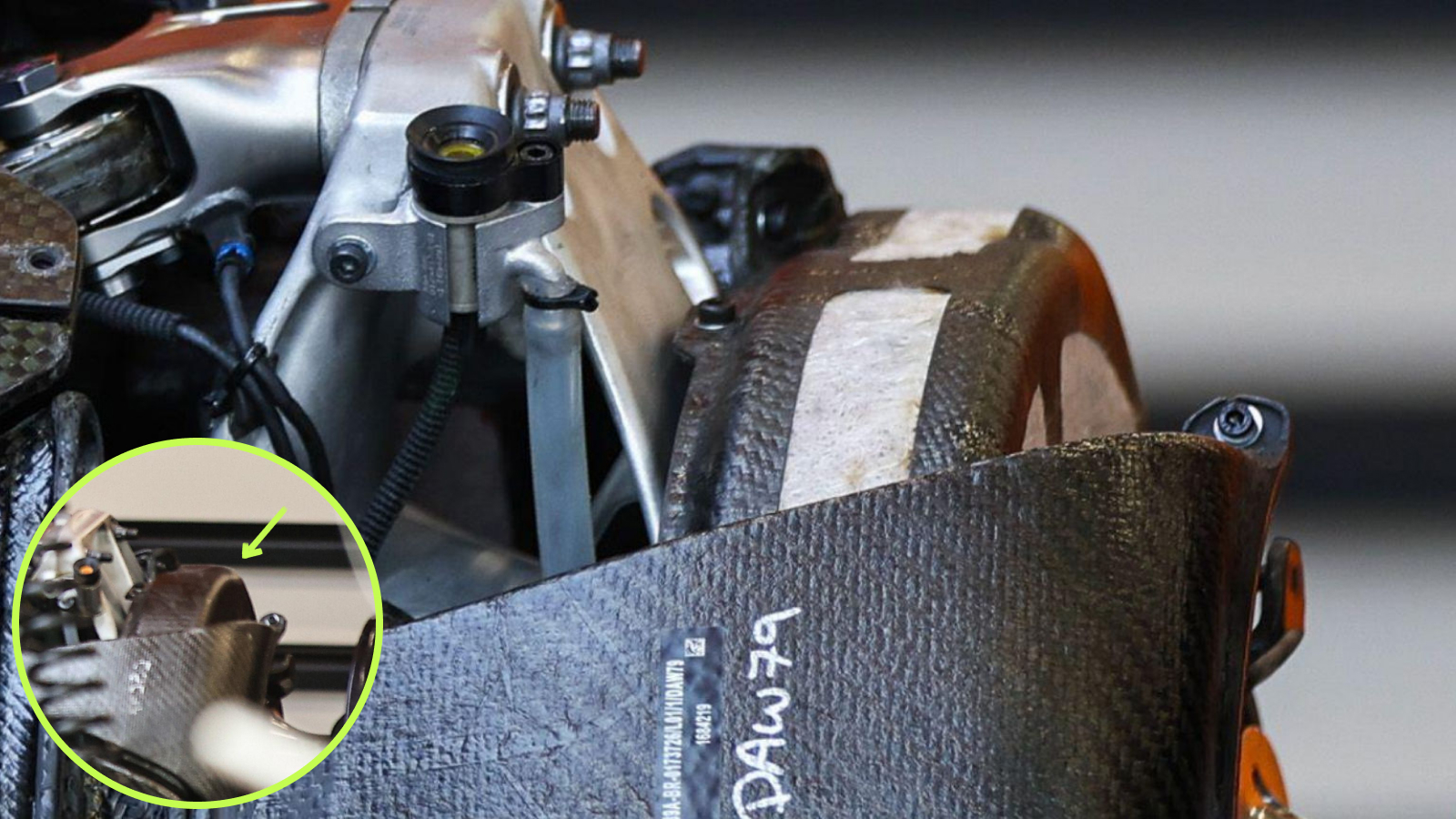
Interesting post regarding McLaren’s front suspension and the lack of feedback that it generated:


Farnborough
Farnborough
128
Joined: 18 Mar 2023, 14:15

Re: McLaren MCL39

Post

Certainly an interesting design isn't it ? Also the graphics there (above post) to give visualisation of the topic.

We discussed further back in the thread, during which I mentioned Audi and its design for their 8 series chassis in 1990s that utilise a similar (split wishbone) facility specifically in this orientation to control wheel assembly movement.

Theres usually a lot happens in these design of "conventional " layout, this effectively giving a whole layer over and above the routine and previously deployed design concepts used.

The effect of that audi design, used primarily for their driven front wheel application, is to control better the tyre's contact patch with road surface to more concise and less vulnerable variance. Their design is inverted in comparison (split at top wishbone) to facilitate within road car constraints. This one at lower level apparently of close to that concept and accomplishment. I'd be surprised if other teams aren't also considering such route for next chassis iteration.
It would seem to give more ideal presentation of the tyre and it's particular needs in this 18 inch era, but notable in coming with acknowledged constraints in pure driver feedback.

It also confines the wheel's turning space conveniently to minimise moving displacement, which may on this chassis (McL39) show benefit in reduction of aero disturbance potential. It usually moving within its own wheel dimension, rather than moving the wheel in greater arc to impinge further into aero flow paths.

Modelling accuracy of this design needs very thorough application to control so many latent and induced variables. Its no surprise they took a second iteration in development to Canada ? that to move the feel within its sphere to different effect.

Theres other example of this type of thinking. If this one is considered https://www.pinkbike.com/news/turner-dhr--2011.html a bicycle frame design (its the thinking and possibility within this) that's in this design constraints, that have the notional and projected /floating points of leverage, that's apparent here, both in this F1 application and Audi Road suspension, that unlock the thinking and development of such design.

Definitely perceptive of this engineering team to approach it in this open and more lucid way, rather than be blinkered by convention.