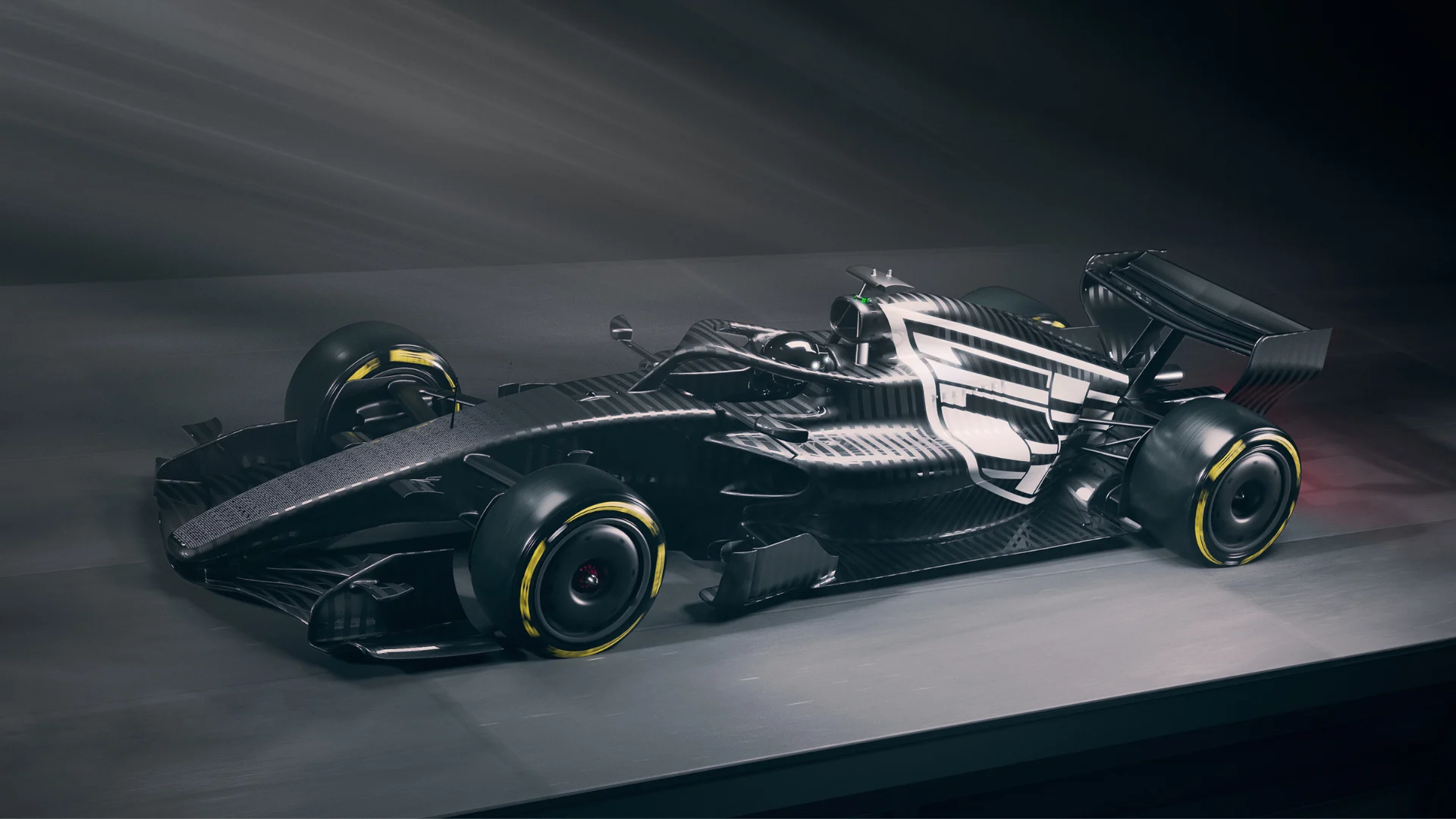
The Cadillac 2026 concept highlights an interesting contradiction in the new regulations. While the FIA’s stated goal is to “kill vortices” to reduce wake turbulence, the aerodynamic tools left available almost force teams to recreate useful vortices elsewhere.
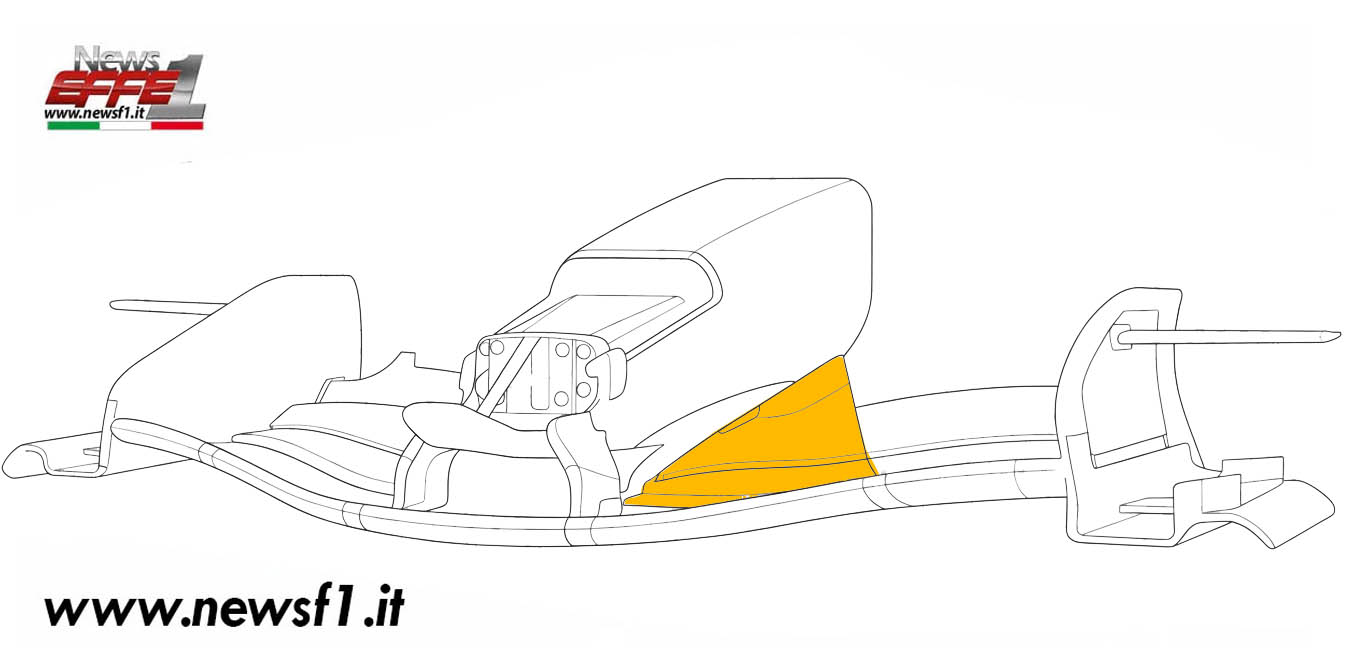
The reappearance of a nose cape is a good example. With:
a flat floor,
simplified front wings,
and reduced reliance on ground effect,
engineers still need mechanisms to stabilize flow and manage pressure gradients. A cape under the nose can act as a secondary aerodynamic surface, generating downforce and helping to control how air is delivered to the underfloor.
This point is explored in more detail in a technical analysis of the Cadillac concept here:
https://www.newsf1.it/f1-2026-cape-cadi ... -analysis/
What will be especially interesting is how such devices interact with active aero modes (X/Z modes). Maintaining balance and consistency across configurations could become one of the defining technical challenges of the 2026 cars.
Overall, this suggests the 2026 ruleset may lead to cleaner-looking cars, but not necessarily simpler aerodynamics—the complexity is just shifting location.