A place to discuss the characteristics of the cars in Formula One, both current as well as historical. Laptimes, driver worshipping and team chatter do not belong here.
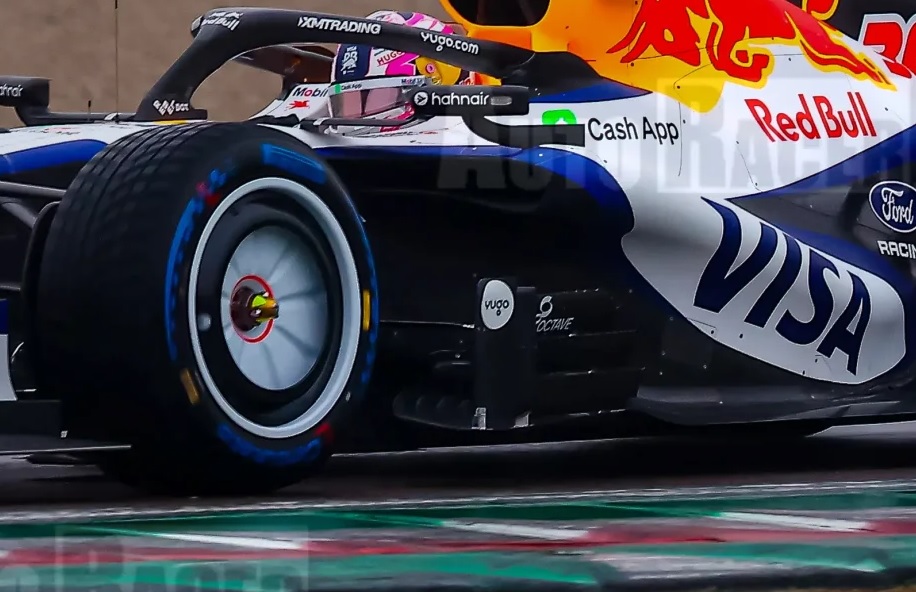
Without seeing the size of the sidepod inlets it's hard to judge the overall cooling requirement. Could also be a precautionary thing whilst they come to grips with the new engine.
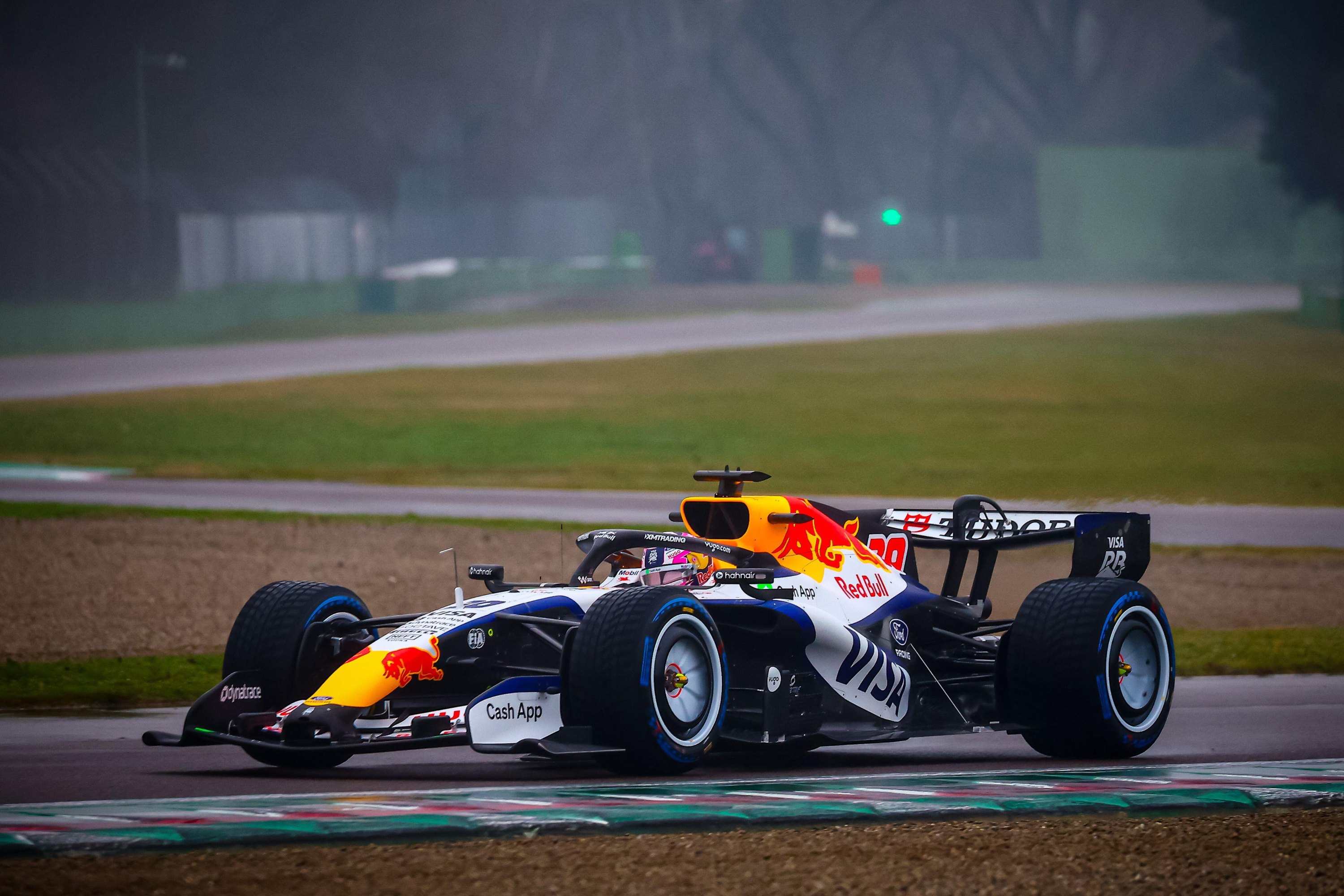
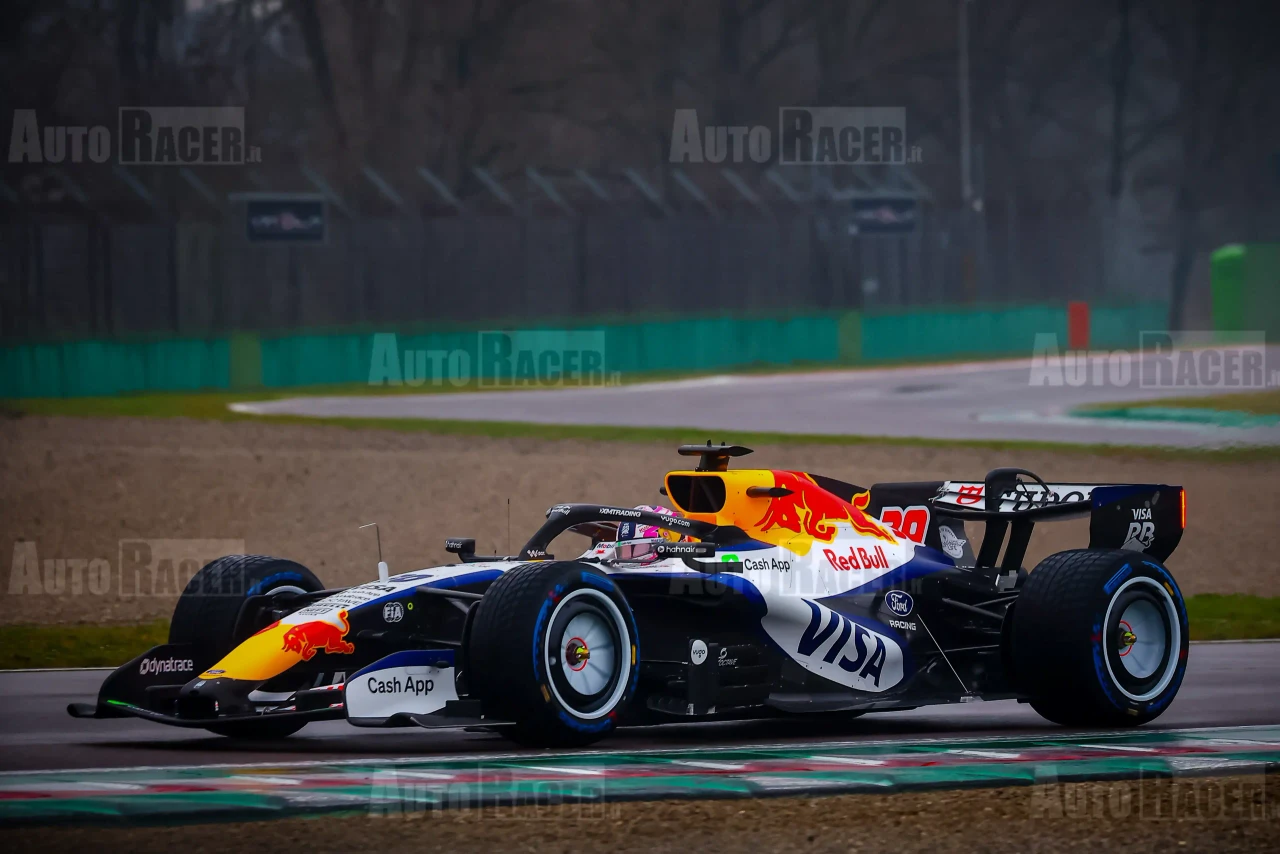
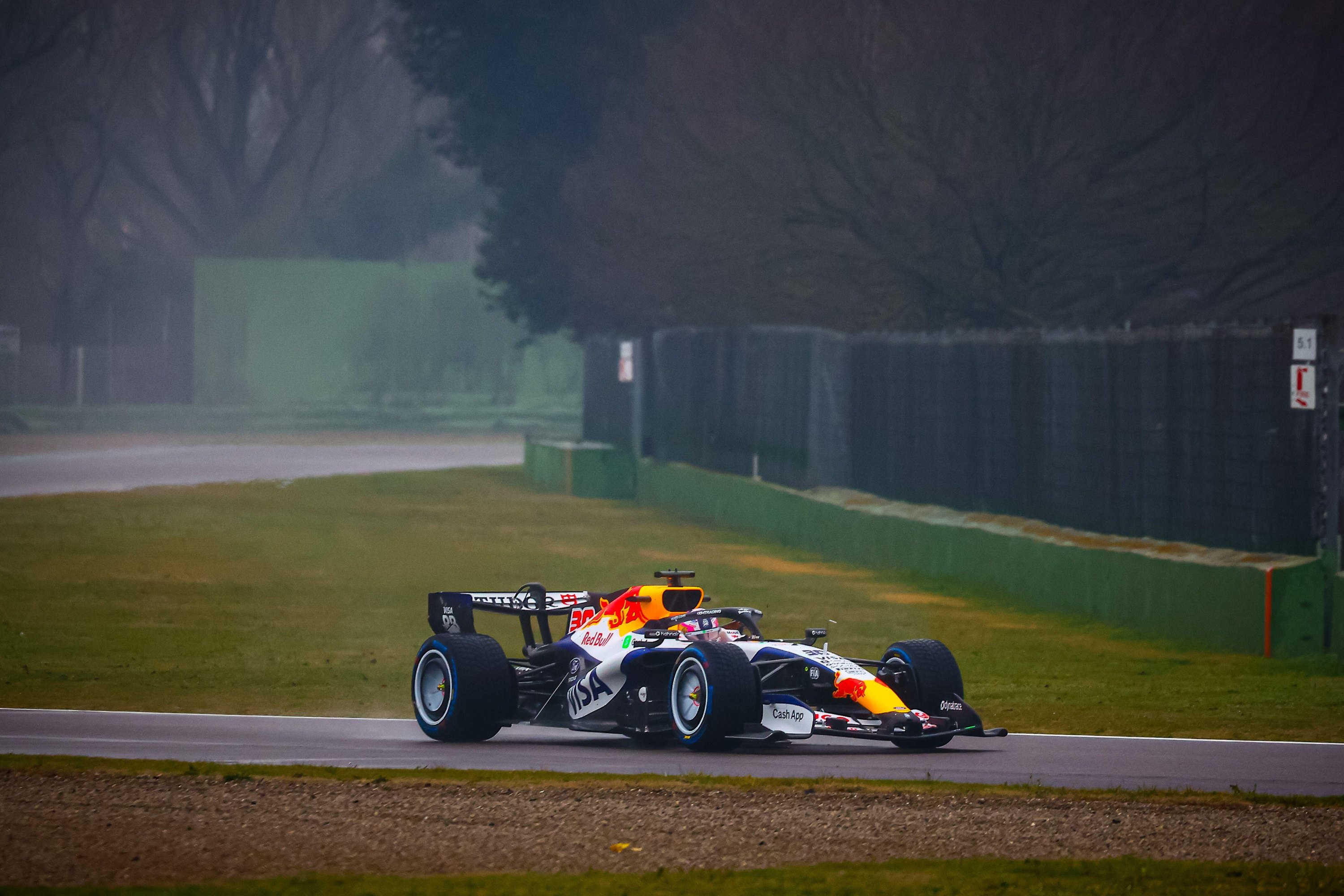
It seems like they've opted for more center-line cooling though, the sidepods are clearly smaller.
Without seeing the size of the sidepod inlets it's hard to judge the overall cooling requirement. Could also be a precautionary thing whilst they come to grips with the new engine.
It seems like they've opted for more center-line cooling though, the sidepods are clearly smaller.
Smaller than those on renders but they are not small, inlets are also pretty wide
Without seeing the CFD, I would think you would need smaller sidepods if you choose inwashing front wings, hence larger top inlet.
But this is the opposite here. Interesting.
Without seeing the size of the sidepod inlets it's hard to judge the overall cooling requirement. Could also be a precautionary thing whilst they come to grips with the new engine.
It seems like they've opted for more center-line cooling though, the sidepods are clearly smaller.
Smaller than those on renders but they are not small, inlets are also pretty wide
First gen cars usually have quite a lot of cooling and then it gets optimised with time. We'll need to see RBR and the others to judge what is the new normal.
I wouldn't say that the total area is huge because the sidepod inlets aren't that big, but centerline cooling does stand out more with the big airbox.
This explanation to me means that we can expect bigger airboxes in general. It's not for the ICE, it's for the hybrid system which makes perfect sense.
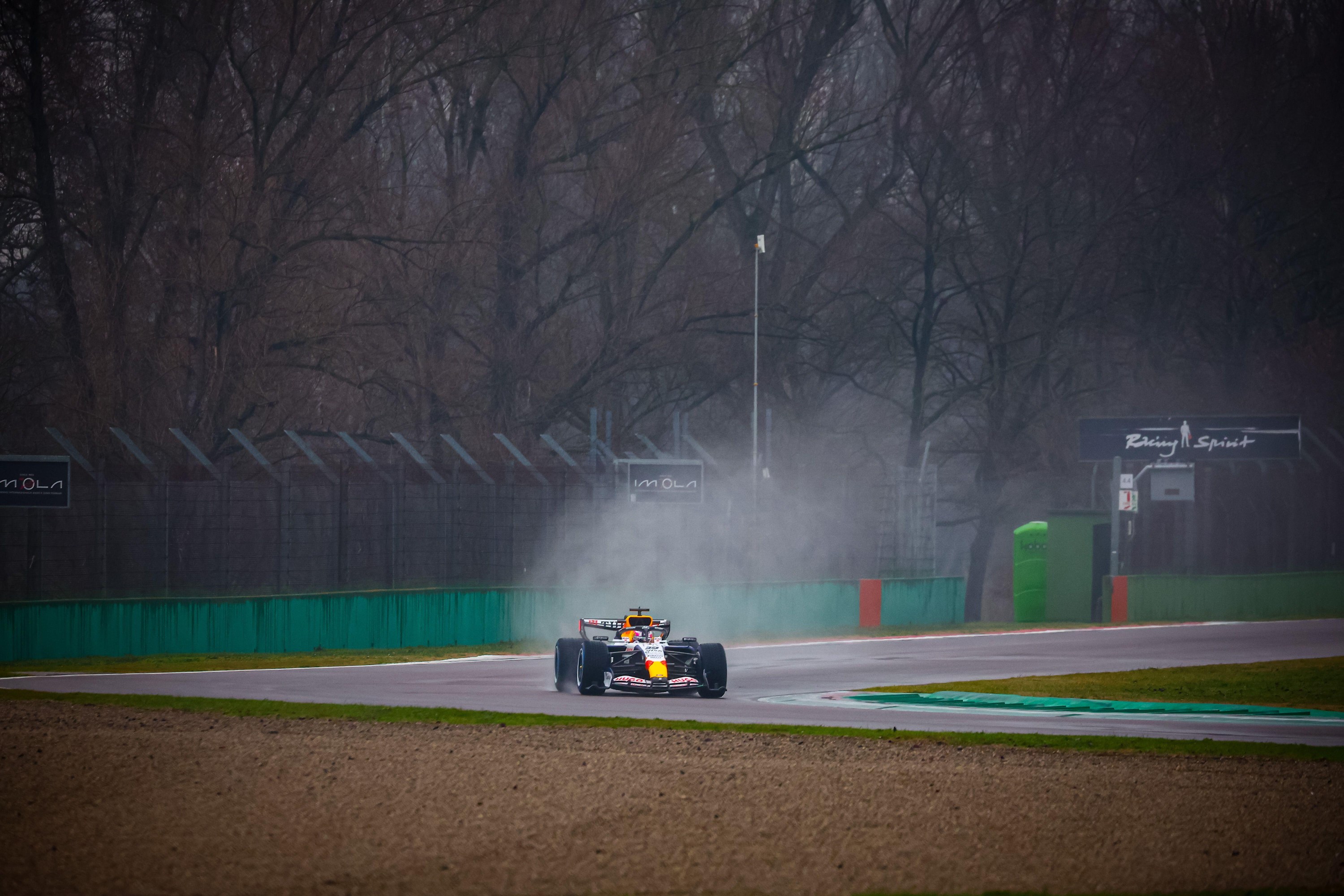
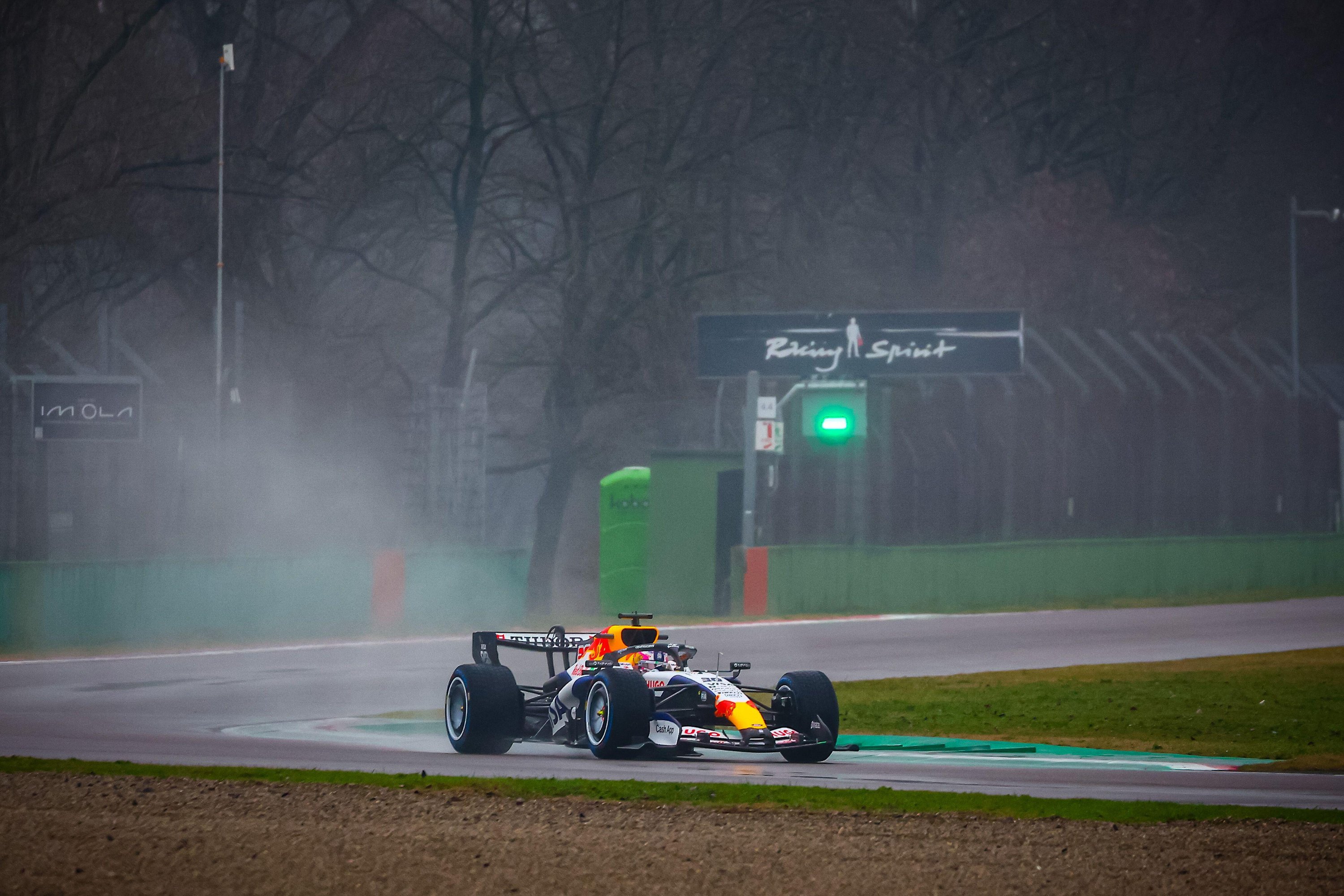
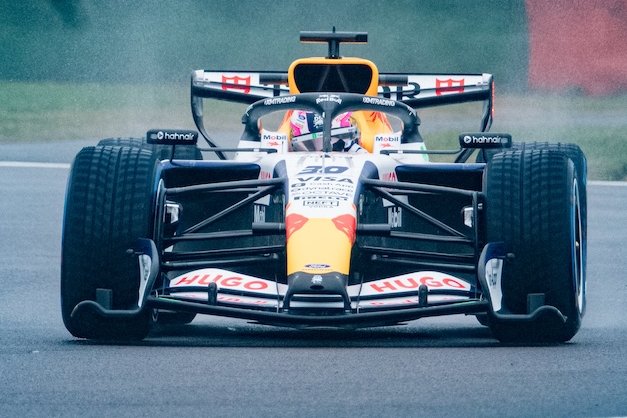
This car is quite similar to its renders actually, but the renders seem to have either been based on some early iteration, or they just went for a simpler representation of what they had. The airbox and engine cover for example were not shown, however the general sidepod shape + inlet is quite similar to the renders. Also the front wing actuators, which from what we have seen so far, this is the only team which has this solution as opposed to the other more "hidden" one (although this is to be taken with a grain of salt as we have only seen renders and some blurry images, can't say for certain what other teams have done).
In any case, this being a new regulation cycle, don't expect these cars to have crazy details visible from the get go. Especially considering how early FIA demanded them to go testing. Even in the first Bahrain test, it's likely the teams will have "simpler" cars that will be used for data correlation.
It was the same thing in Barcelona for 2022 cars. The initial iteration of floors were not overly complicated.
As for cooling, I don't see this as a surprise because many technical people had already anticipated that the 2026 cars, as they were described, had more challenging cooling requirements compared to the last gen. The RedBull livery render broke that expectation because it had both slim sidepods and a slim centerline, however we don't know if that's a real car or not.
This airbox though, even when you account for the challenging cooling requirements, is really big. I doubt the top teams will be like this.