This is almost negligible.
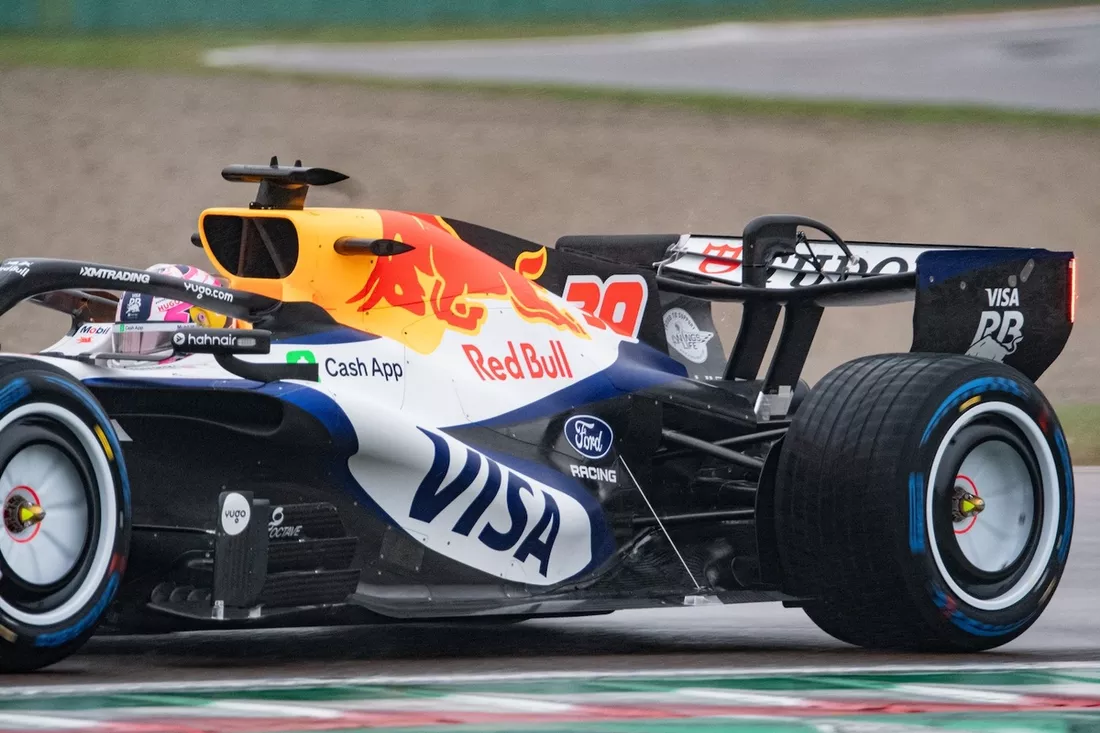
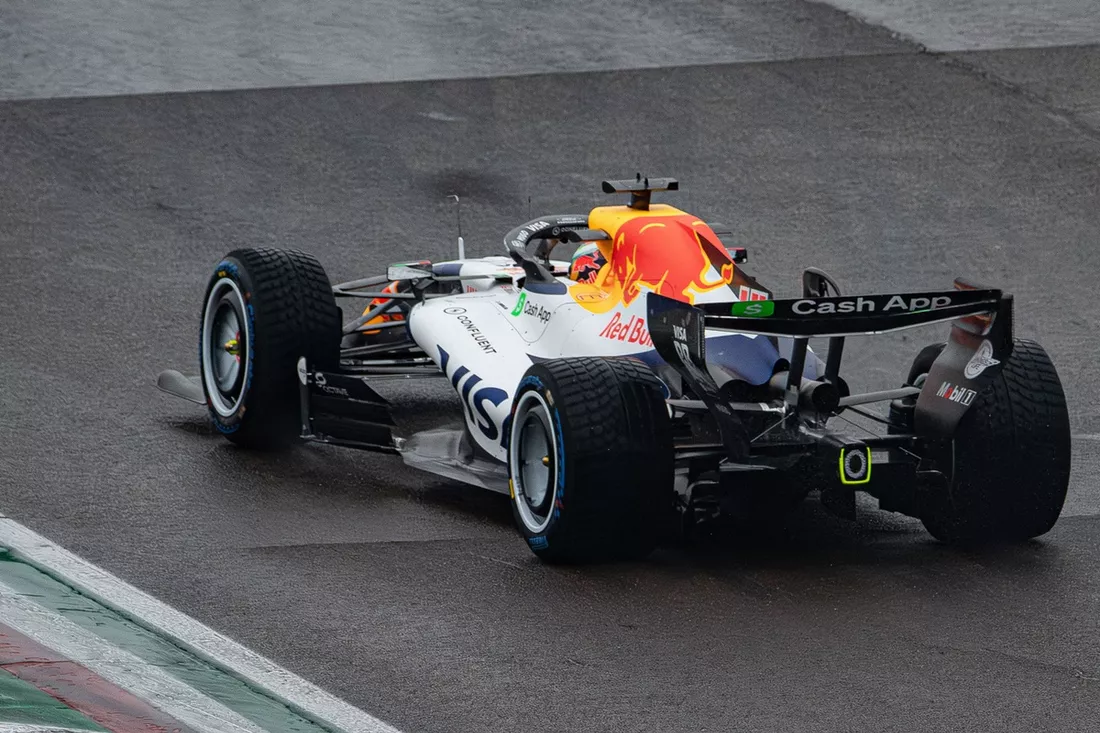
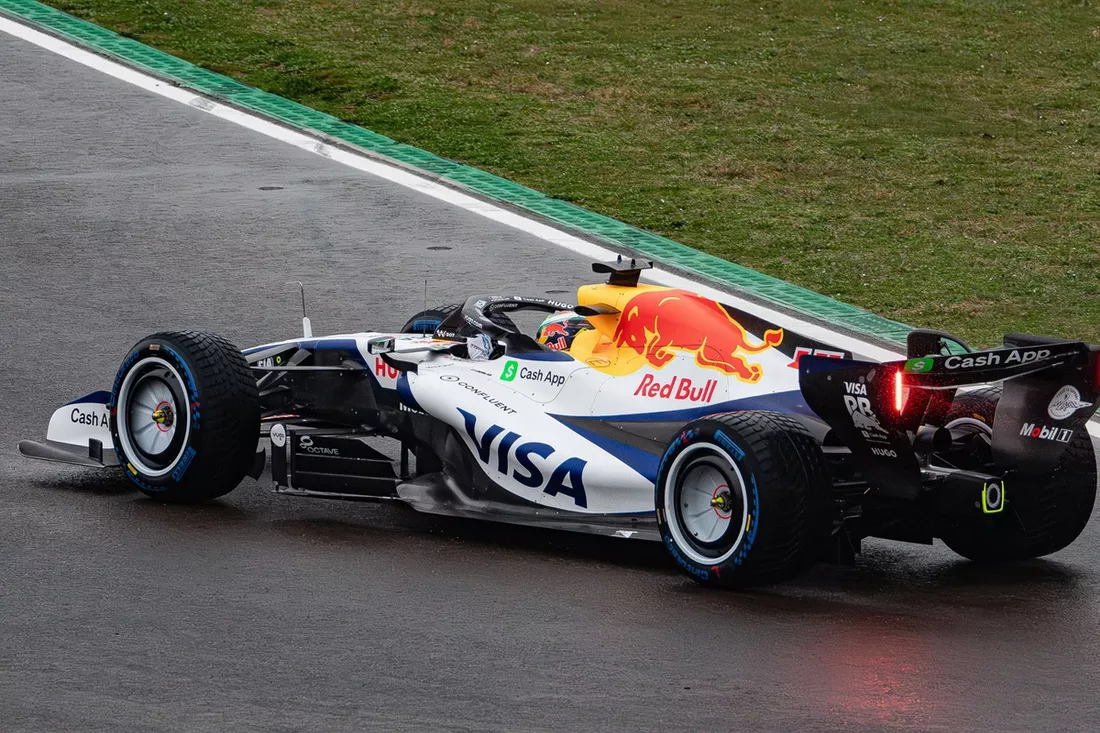
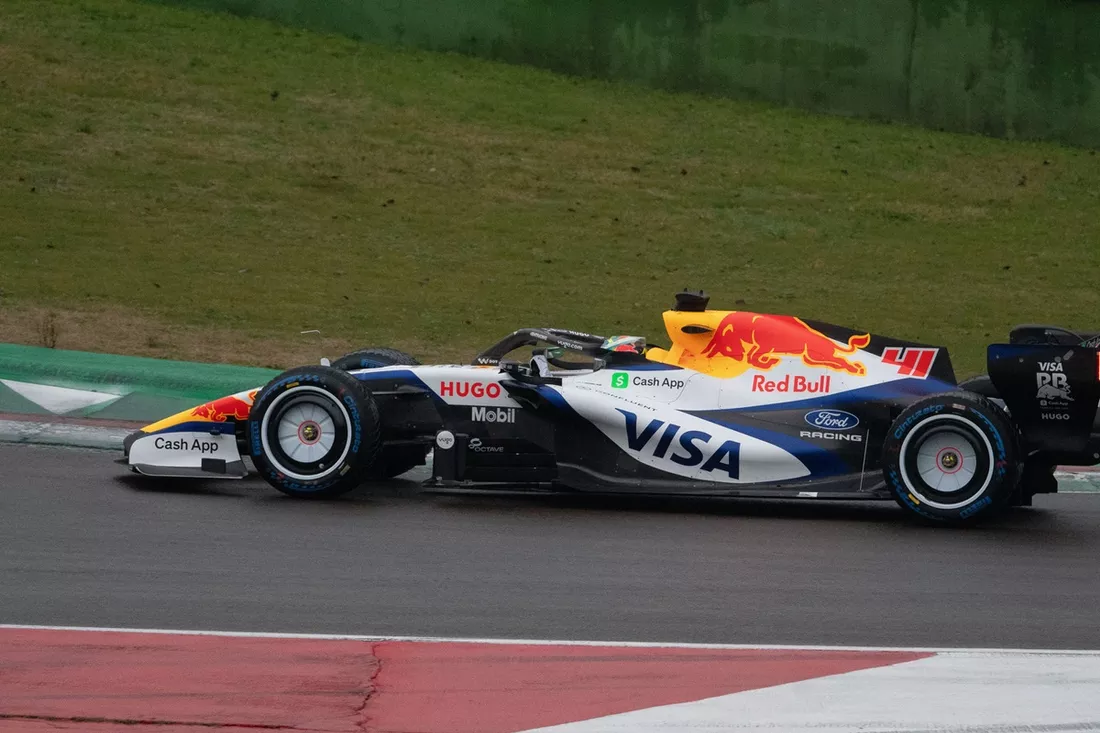
BassVirolla wrote: ↑20 Jan 2026, 19:34Massive centerline cooling.![]()
I've never seen an airbox which has to be flat at the top to maximize volume staying within the regulatory box.

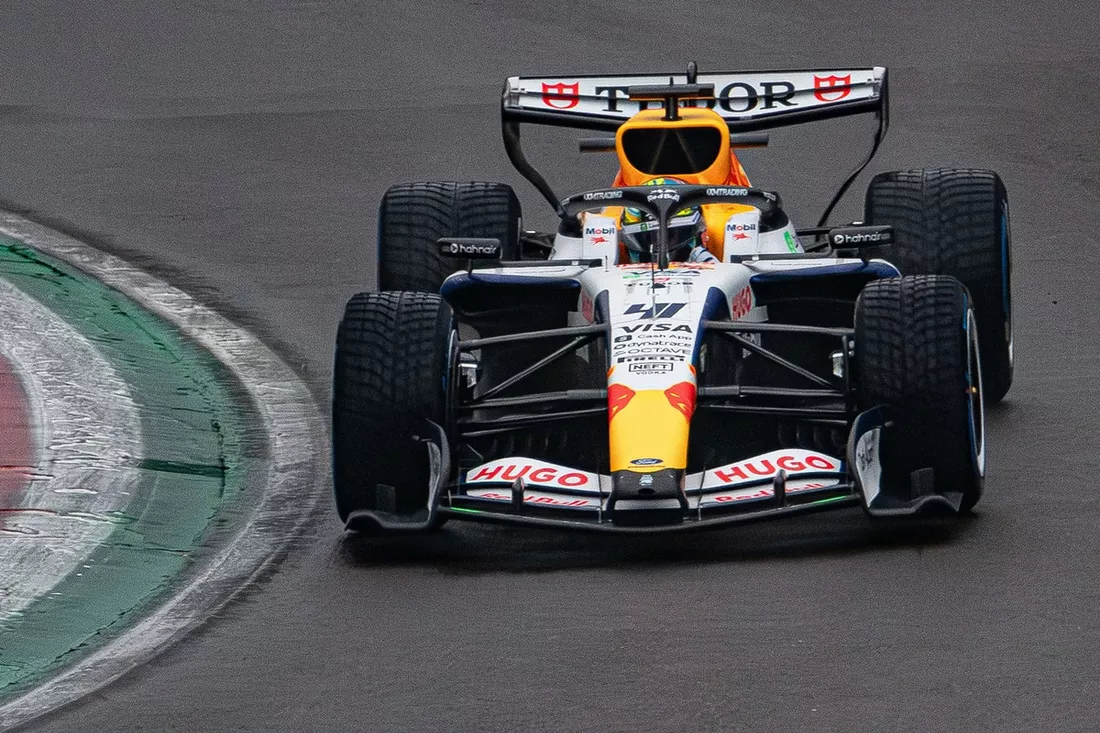
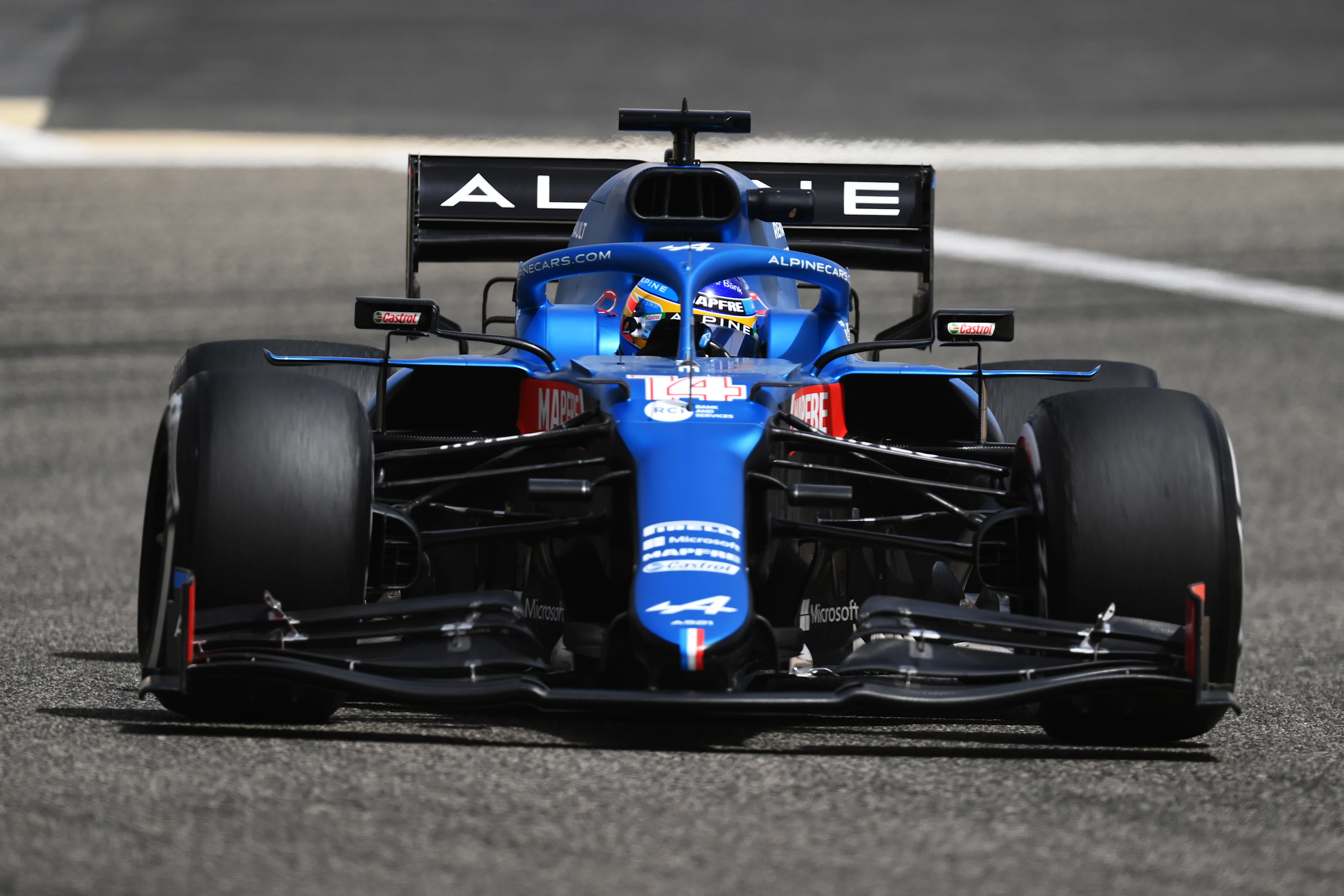
You got me! I remembered this car, but I haven't cared about searching it to see if it was flat at the top, I'd said that it wasn't (and I was wrong!). By the way, the RB has a much bigger flat section.Badger wrote: ↑20 Jan 2026, 20:15https://media.formula1.com/image/upload ... 15079.webpBassVirolla wrote: ↑20 Jan 2026, 19:34Massive centerline cooling.![]()
I've never seen an airbox which has to be flat at the top to maximize volume staying within the regulatory box.
In 2026 you have almost 3x electrical power output from battery and MGU-K and much more energy recovery than before, so cooling requirements are also higher, also operating temperatures of those components are much lower than ICE. So even tho there is less heat energy produced by electrical part of the PU, it can be difficult to get rid of it when operating temperatures are not that higher than ambient air temperatures which you use to cool it down.BorisTheBlade wrote: ↑20 Jan 2026, 18:37Honest question: What is the reasoning behind this stance?Emag wrote: ↑20 Jan 2026, 15:39As for cooling, I don't see this as a surprise because many technical people had already anticipated that the 2026 cars, as they were described, had more challenging cooling requirements compared to the last gen. The RedBull livery render broke that expectation because it had both slim sidepods and a slim centerline, however we don't know if that's a real car or not.
As I see it, Thermal Efficiency of the ICE should be one of the highest priorities on everyone's list in order to maximize usable power and energy recovery for the max. 833 KW provided. The same goes for the whole electrical part, which should be well above 90% TE for recovery as well as supply. So there is not a lot of heat to be produced by the latter one.
What else is there that should require lots of cooling?
I would rather suspect, that centre line cooling does not cost a lot of already much less RW downforce, while giving you design freedom for the sidepods in order to work the floor as good as you can.
Care to provide any numbers that might be in contrast to my previous post? Again, this is almost negligible.wiktor977 wrote: ↑20 Jan 2026, 21:59In 2026 you have almost 3x electrical power output from battery and MGU-K and much more energy recovery than before, so cooling requirements are also higher, also operating temperatures of those components are much lower than ICE. So even tho there is less heat energy produced by electrical part of the PU, it can be difficult to get rid of it when operating temperatures are not that higher than ambient air temperatures which you use to cool it down.BorisTheBlade wrote: ↑20 Jan 2026, 18:37Honest question: What is the reasoning behind this stance?Emag wrote: ↑20 Jan 2026, 15:39As for cooling, I don't see this as a surprise because many technical people had already anticipated that the 2026 cars, as they were described, had more challenging cooling requirements compared to the last gen. The RedBull livery render broke that expectation because it had both slim sidepods and a slim centerline, however we don't know if that's a real car or not.
As I see it, Thermal Efficiency of the ICE should be one of the highest priorities on everyone's list in order to maximize usable power and energy recovery for the max. 833 KW provided. The same goes for the whole electrical part, which should be well above 90% TE for recovery as well as supply. So there is not a lot of heat to be produced by the latter one.
What else is there that should require lots of cooling?
I would rather suspect, that centre line cooling does not cost a lot of already much less RW downforce, while giving you design freedom for the sidepods in order to work the floor as good as you can.
Actually I would argue that there is more heat coming from the PU. If I am not mistaken the fuel flow should be approximately the same (with the caviat of being energy-based rather than volume-based), but the power is reduced, mainly through a lower compression ratio. This means that less mechanical power is produced with the same amount of energy in the fuel, therefore the thermal losses must be higher.wiktor977 wrote: ↑20 Jan 2026, 21:59In 2026 you have almost 3x electrical power output from battery and MGU-K and much more energy recovery than before, so cooling requirements are also higher, also operating temperatures of those components are much lower than ICE. So even tho there is less heat energy produced by electrical part of the PU, it can be difficult to get rid of it when operating temperatures are not that higher than ambient air temperatures which you use to cool it down.BorisTheBlade wrote: ↑20 Jan 2026, 18:37Honest question: What is the reasoning behind this stance?Emag wrote: ↑20 Jan 2026, 15:39As for cooling, I don't see this as a surprise because many technical people had already anticipated that the 2026 cars, as they were described, had more challenging cooling requirements compared to the last gen. The RedBull livery render broke that expectation because it had both slim sidepods and a slim centerline, however we don't know if that's a real car or not.
As I see it, Thermal Efficiency of the ICE should be one of the highest priorities on everyone's list in order to maximize usable power and energy recovery for the max. 833 KW provided. The same goes for the whole electrical part, which should be well above 90% TE for recovery as well as supply. So there is not a lot of heat to be produced by the latter one.
What else is there that should require lots of cooling?
I would rather suspect, that centre line cooling does not cost a lot of already much less RW downforce, while giving you design freedom for the sidepods in order to work the floor as good as you can.