GhostF1 wrote: ↑21 Jan 2026, 01:18
wiktor977 wrote: ↑21 Jan 2026, 00:42
Emag wrote: ↑21 Jan 2026, 00:12
Well I tried to simplify it. And it's true that the MGU-H didn't literally remove heat from the exhaust. As you said, it converts turbine kinetic energy to electricity. However, this indirectly reduces energy going into waste heat downstream. So I don't believe the assessment of exhausts requiring more cooling without the mguh is wrong.
True, that it reduce exhaust gases temperature but I don't think it would be that different with or without MGU-H when it comes to the cooling requirements of the turbocharger, but I might be wrong.
As you mentioned, the MGU-H did not really convert literal heat energy into electricity, it was kinetic energy from the turbo/compressor shaft. The MGU-H itself though, generated a significant amount of heat operating often at over 120,000rpm, while swapping between harvesting and motoring constantly and required its own cooler and associated cooling circuit. All teams had their own method of integrating this. Losing it does reduce cooling demands there, but the increase in electrical demand from the battery, which requires precise thermal management for optimum efficiency (which affects regen and deploy duration) will likely make teams want to "over-do" the cooling setup at first. It's likely the cars cooling could shrink throughout the season as they get more and more data from physically running the cars.
Better to start in excess and refine rather than be risky and then chasing your tail finding the sweet spot which might ruin other design aspects. .
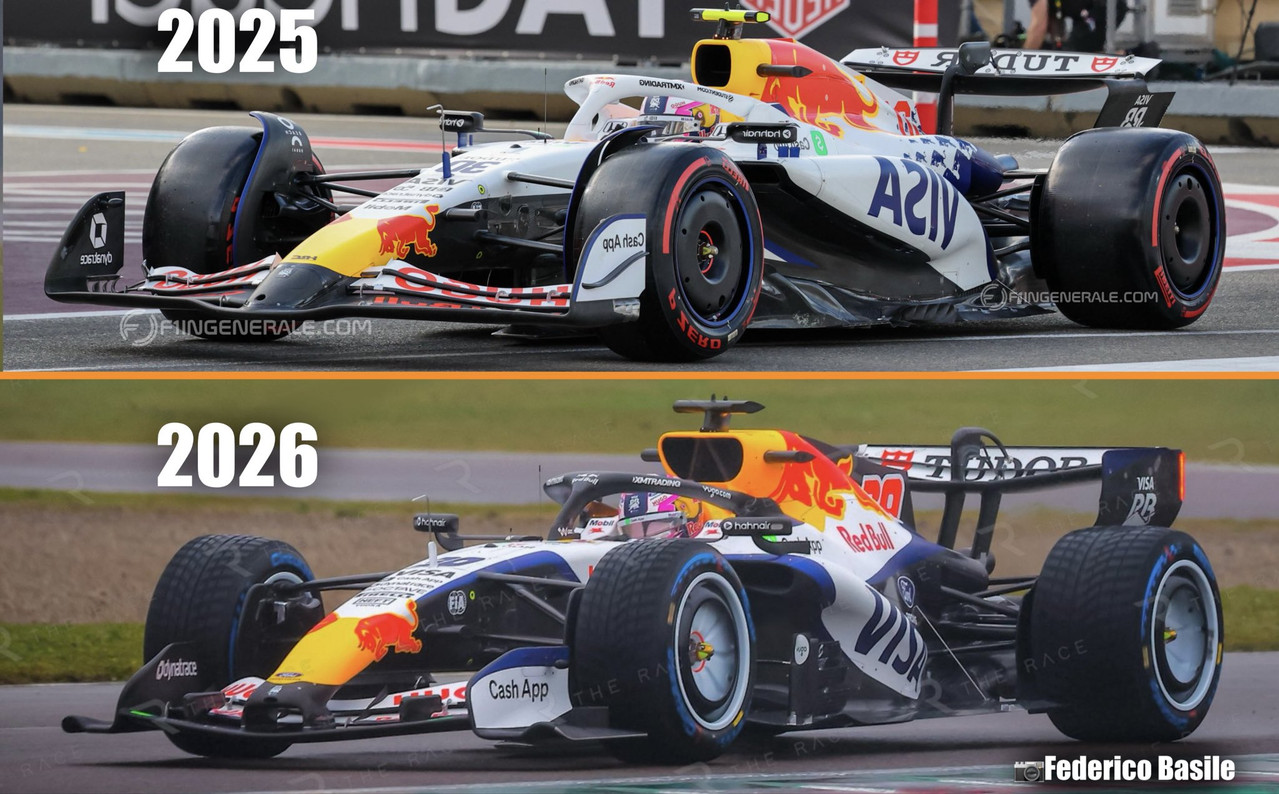
I agree, this big airbox is most probably just them being careful about thermal management. I'm very curious if Red Bull will go with the same approach