Isnt this how you make a double diffuser?

- Login or Register
No account yet? Sign up

I think it is quite logical you would want to give the driver first, the maximum breaking possibility.matteosc wrote: ↑23 Jan 2026, 16:48That is true, but it would be slower in that specific corner. It may be faster overall, but that depends on a lot of factor and it will likely be different in qualifying vs race. Bottomline, the front brakes may be designed to break at the limit.Badger wrote: ↑23 Jan 2026, 15:41I disagree. The aim in the braking zone will not be to slow the car at the fastest possible rate like before, it will be to regenerate as much energy as possible. The way to do that will be to maximise the 350 kW regen for the most amount of time. The more energy you absorb at the front brakes the less energy you can harvest at the rear. There will therefore be less energy going through the front brakes which equals less brake cooling required.Tommy Cookers wrote: ↑23 Jan 2026, 15:24
well .....
the front brakes will still be braking up to the limit of the grip of the front tyres ....
so we could say that the 'strain' on the front brakes isn't relieved
ok it's relieved to the extent of the all-round reduced tyre grip due to the reduced aero DF
Another thing to remember is that this year's cars are lighter, which should help.

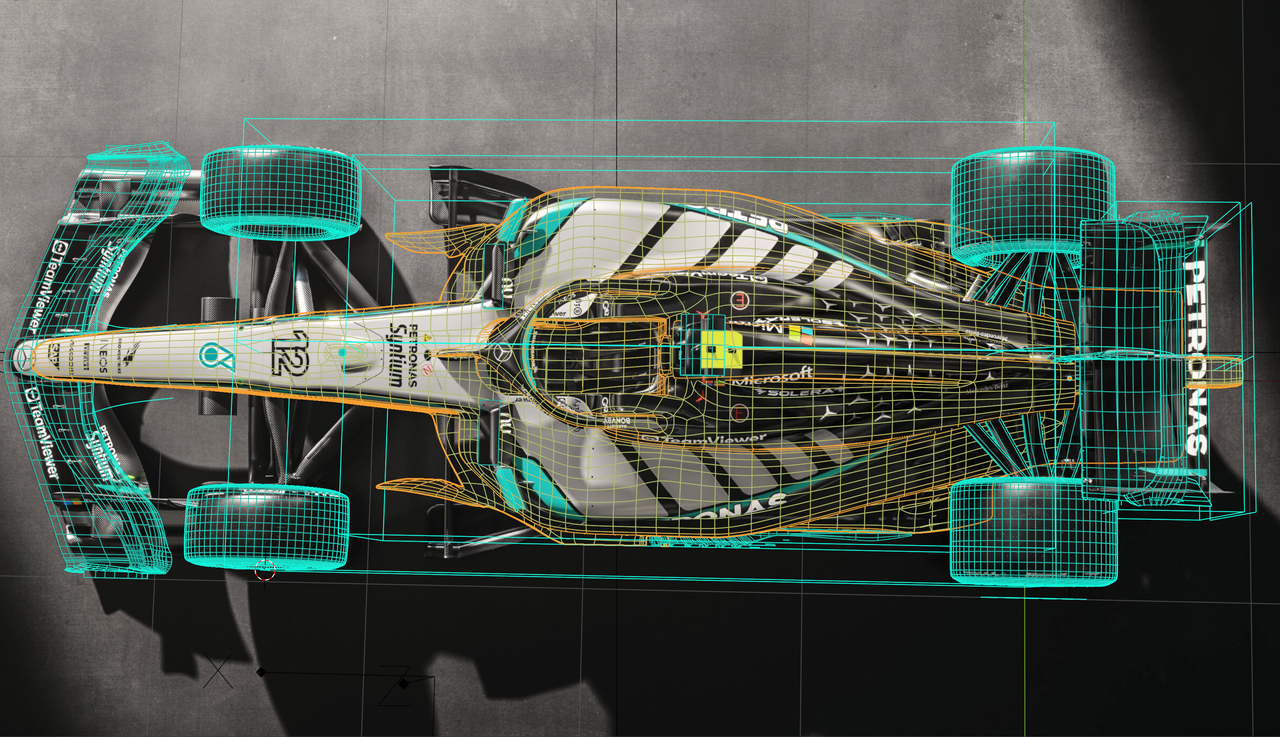
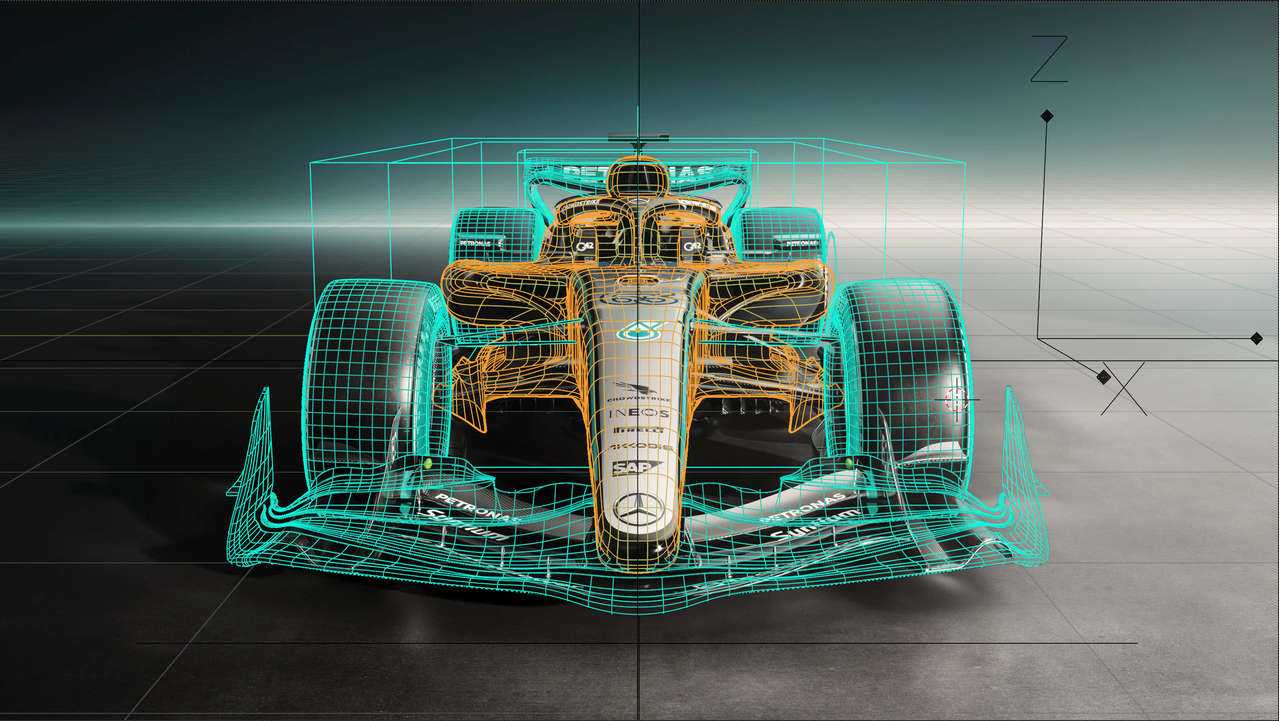
THE double diffuser pulled vacuum from two areas under the same floor containment "void" whereas this is pulling air in from above floor surface, which ultimately mitigates production of downforce.

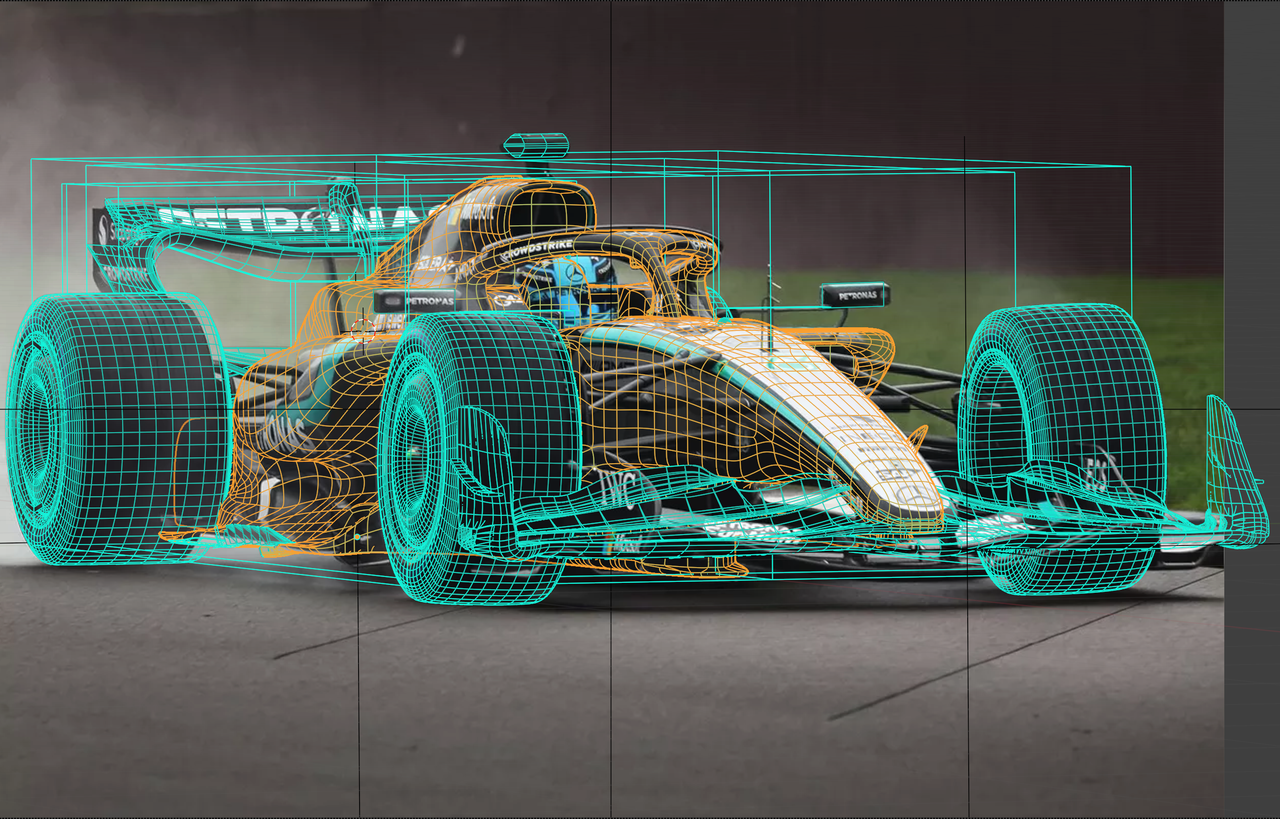
If they're running different FWs at different circuits then you'd expect a high-DF draggy wing at Barcelona, right? Which is what they're shaking-down for.
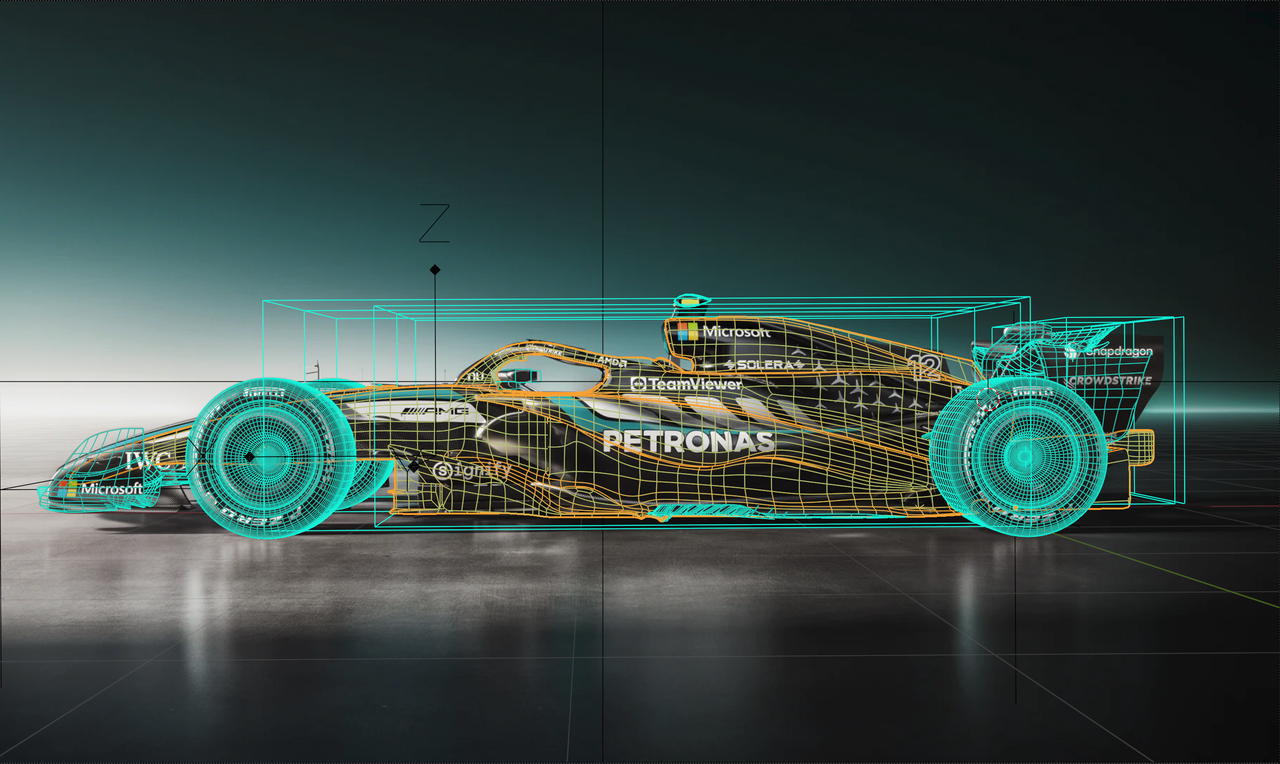
Why would they want to run close to the track (at the rear)? It seems to me that they would rather look at some rake to increase diffuser expansion. Also the bouncing should not be an issue with these rules (flat floor).Farnborough wrote: ↑23 Jan 2026, 21:51THE double diffuser pulled vacuum from two areas under the same floor containment "void" whereas this is pulling air in from above floor surface, which ultimately mitigates production of downforce.
Like the mousehole, it looks to mitigate the higher/top of underfloor vacuum curve in accumulation at max effectiveness, possibly to avoid those nasty potential to oscillations, AKA bouncing.
Could keep underfloor flow in realistic range when running as close to the track surface as possible. Potential to promote flow reattaching under braking with rear lift present.
And what was MB chassis philosophy prior to GE 2022 rule set ?matteosc wrote: ↑23 Jan 2026, 23:22Why would they want to run close to the track (at the rear)? It seems to me that they would rather look at some rake to increase diffuser expansion. Also the bouncing should not be an issue with these rules (flat floor).Farnborough wrote: ↑23 Jan 2026, 21:51THE double diffuser pulled vacuum from two areas under the same floor containment "void" whereas this is pulling air in from above floor surface, which ultimately mitigates production of downforce.
Like the mousehole, it looks to mitigate the higher/top of underfloor vacuum curve in accumulation at max effectiveness, possibly to avoid those nasty potential to oscillations, AKA bouncing.
Could keep underfloor flow in realistic range when running as close to the track surface as possible. Potential to promote flow reattaching under braking with rear lift present.

It has been around.. There was a cut floor being done in 2009 by McLaren. Then that evolved in the mousehole in following years. In 2010 mcLaren put a ramp sloping down from the floor to the corner of the diffuser throat.. And it evolved from there. It's really to add energy to boundary layer flows in the diffuser.mythr-ran-dire wrote: ↑23 Jan 2026, 02:34Been digging through old threads and archives to look for earlier indications of this so called "mousehole" idea. Found this old post for others wondering like me:
https://x.com/dr_obbs/status/1629094645 ... 0&ref_url=
