
- Login or Register
No account yet? Sign up

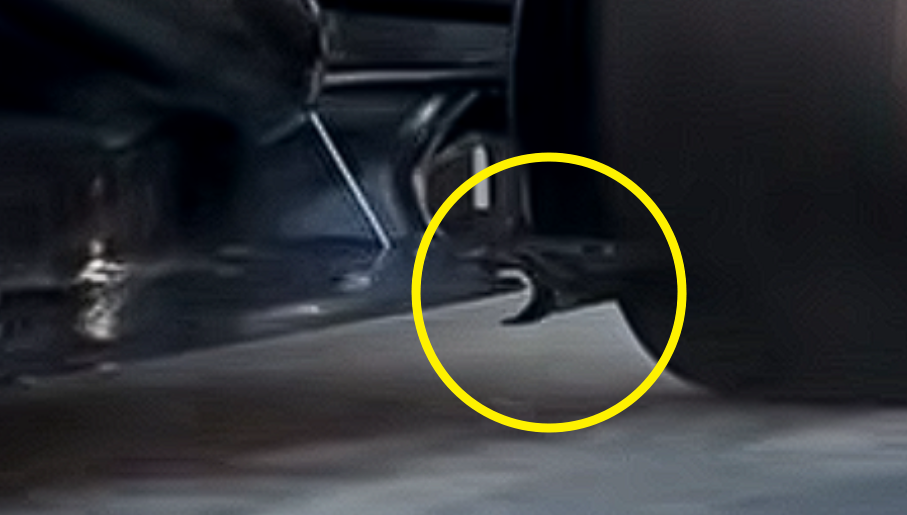
The nosecone's lines don't seem to even fit with the rest of the car. As if they pulled a larger nosecone over the normal one. And the fixed wings are clearly unreasonable.wiktor977 wrote: ↑29 Jan 2026, 23:51This undercut is big and the sidepods themselves are very thin, it looks like Aston managed to keep the front tyre wake outboard without using big sidepods. This makes me almost 100% sure that this front wing and the nose are a dummy and the real one will look much different and more complex.
https://i.postimg.cc/cLFR3jh5/Aston-front.jpg
Some argue that the nosecone “doesn’t fit”, but the nose one is clearly sculpted, similar to Audi. So to me this not a “dummy” nosecone. It’s just missing the active aero.mzso wrote: ↑30 Jan 2026, 01:07The nosecone's lines don't seem to even fit with the rest of the car. As if they pulled a larger nosecone over the normal one. And the fixed wings are clearly unreasonable.wiktor977 wrote: ↑29 Jan 2026, 23:51This undercut is big and the sidepods themselves are very thin, it looks like Aston managed to keep the front tyre wake outboard without using big sidepods. This makes me almost 100% sure that this front wing and the nose are a dummy and the real one will look much different and more complex.
https://i.postimg.cc/cLFR3jh5/Aston-front.jpg
I'm very doubtful. There seems to be a noticeable brake in the curves of car where the nosecone is attached. Also it seems somewhat crumply slightly in front of the upper suspension linkage, in a rectangular are, as if something was plastered over. As seen in this screenshot as well, more so in motion.AR3-GP wrote: ↑30 Jan 2026, 01:11Some argue that the nosecone “doesn’t fit”, but the nose one is clearly sculpted, similar to Audi. So to me this not a “dummy” nosecone. It’s just missing the active aero.mzso wrote: ↑30 Jan 2026, 01:07The nosecone's lines don't seem to even fit with the rest of the car. As if they pulled a larger nosecone over the normal one. And the fixed wings are clearly unreasonable.wiktor977 wrote: ↑29 Jan 2026, 23:51This undercut is big and the sidepods themselves are very thin, it looks like Aston managed to keep the front tyre wake outboard without using big sidepods. This makes me almost 100% sure that this front wing and the nose are a dummy and the real one will look much different and more complex.
https://i.postimg.cc/cLFR3jh5/Aston-front.jpg
The problem is that front wing and nosecone sets up the air to the back of the car. So it is unlikely that it is "fake". They won't learn anything.mzso wrote: ↑30 Jan 2026, 01:20I'm very doubtful. There seems to be a noticeable brake in the curves of car where the nosecone is attached. Also it seems somewhat crumply around where the driver's number would be. As seen in this screenshot as well, more so in motion.
Not sure what to make of the weird trapezoid patch with the dimple around where the wings are.
Mayb they don't care about the aero right now, only the mechanical side, the engine an reliability. And are planning to test that. Or just failed to finish the real nose.


Perhaps the real nose will look something like this.FNTC wrote: ↑30 Jan 2026, 00:13I agree with you. There is something about the front that doesn't seem to match the rest of the car. I also don't see an active front wing. I also have a feeling it's a dummy for this first test.wiktor977 wrote: ↑29 Jan 2026, 23:51This undercut is big and the sidepods themselves are very thin, it looks like Aston managed to keep the front tyre wake outboard without using big sidepods. This makes me almost 100% sure that this front wing and the nose are a dummy and the real one will look much different and more complex.
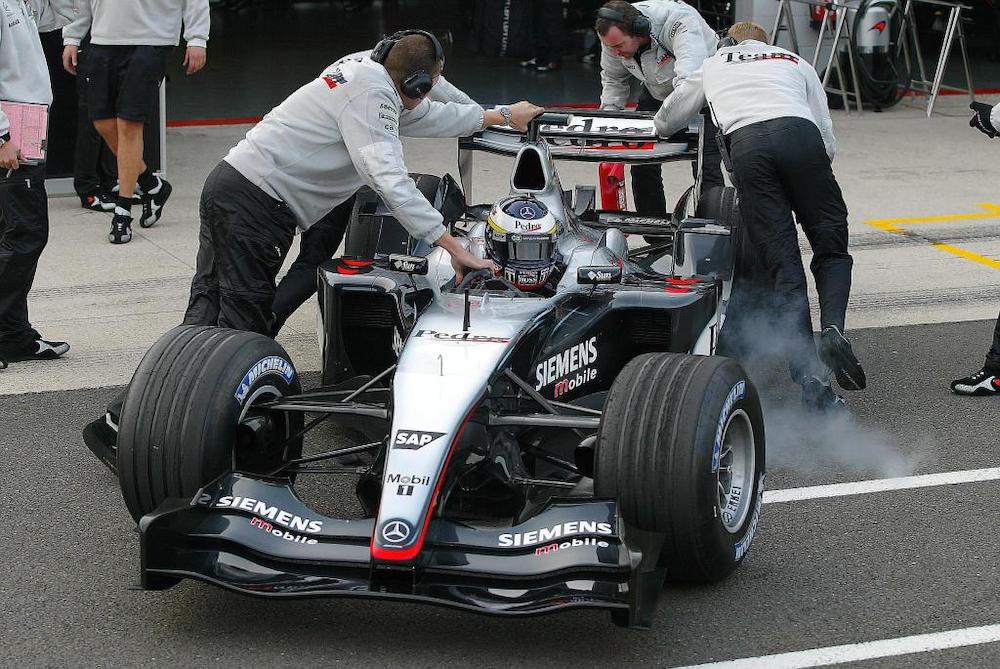
I keep wondering what would the benefit be... surely some more clean flow, but is it really worth that much? I guess there are different opinions about this on the grid.
I think it is a matter of how the load is distributed across the front wing elements. Perhaps they've found that in their case rotating the 2nd element (or 1st flap if you will) didn't provide a significant enough reduction in drag due to constitute the use of it. In addition to the supposed benefits of having the nose attached to the 2nd element.matteosc wrote: ↑30 Jan 2026, 02:16I keep wondering what would the benefit be... surely some more clean flow, but is it really worth that much? I guess there are different opinions about this on the grid.
brakeboosted wrote: ↑30 Jan 2026, 02:23I think it is a matter of how the load is distributed across the front wing elements. Perhaps they've found that in their case rotating the 2nd element (or 1st flap if you will) didn't provide a significant enough reduction in drag due to constitute the use of it. In addition to the supposed benefits of having the nose attached to the 2nd element.
I don't know whether creating large separations behind the wing is necessarily a good idea. You might be reducing the induced drag locally a tiny bit, but that low-energy air from would hit the downstream components by worsening the onset conditions for those components. That typically results in increased drag.AR3-GP wrote: ↑30 Jan 2026, 02:31brakeboosted wrote: ↑30 Jan 2026, 02:23I think it is a matter of how the load is distributed across the front wing elements. Perhaps they've found that in their case rotating the 2nd element (or 1st flap if you will) didn't provide a significant enough reduction in drag due to constitute the use of it. In addition to the supposed benefits of having the nose attached to the 2nd element.
The other theory that I have is that 3rd element stalls the 2nd element when it goes down. So the 2nd element is not required to move.