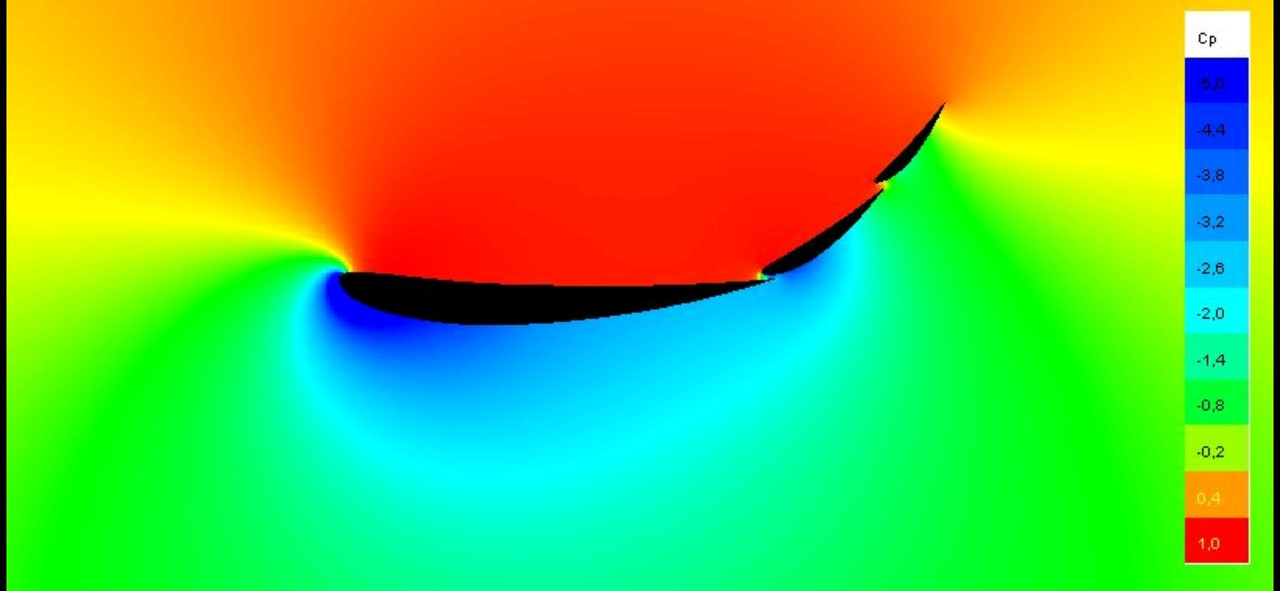
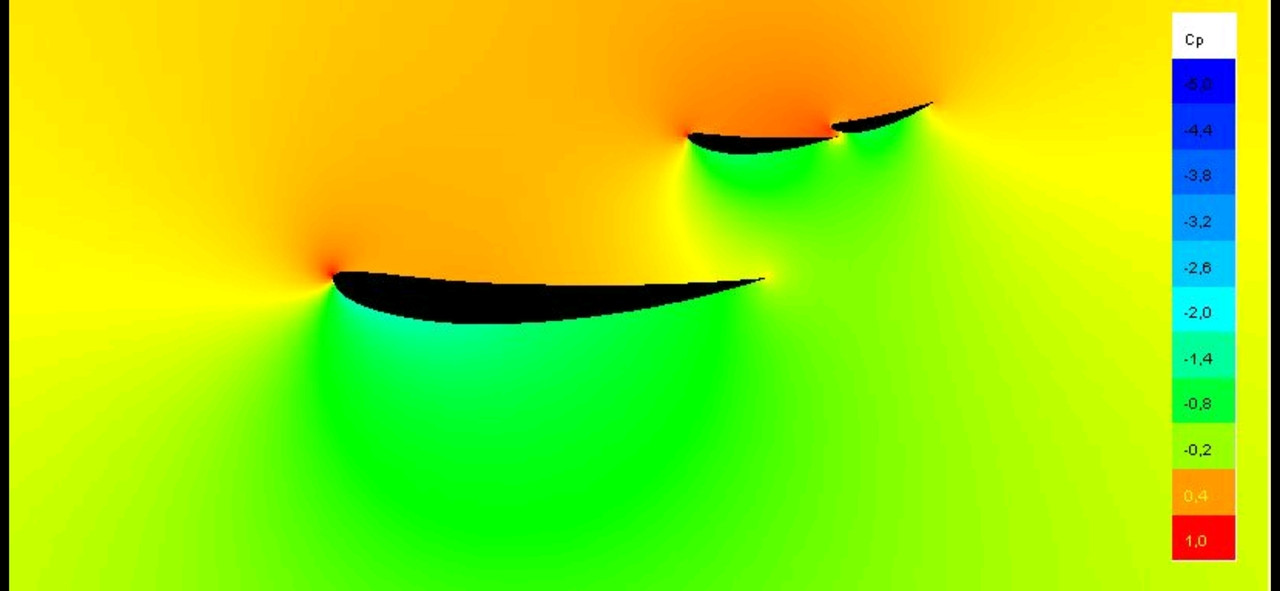
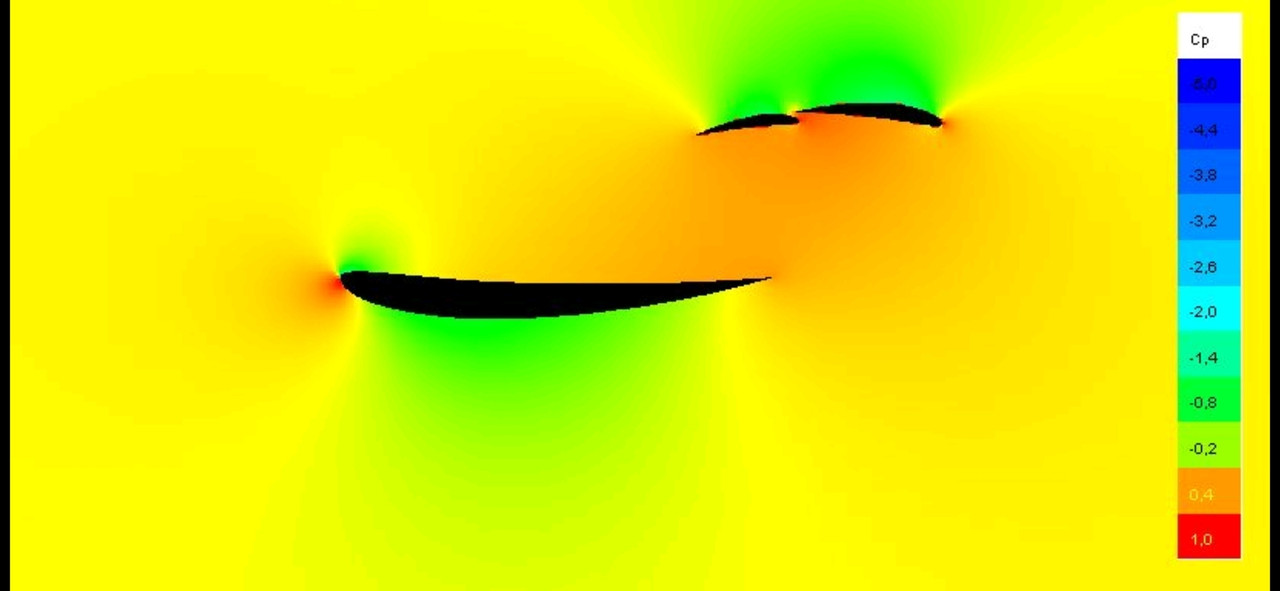
No, I very much disagree.AR3-GP wrote: ↑21 Feb 2026, 06:231) There's no longer a distinction between high and low downforce races because of the active aero and the reduced size of the rear wing box. All races will have high downforce in cornering mode and use the active aero on the straights.
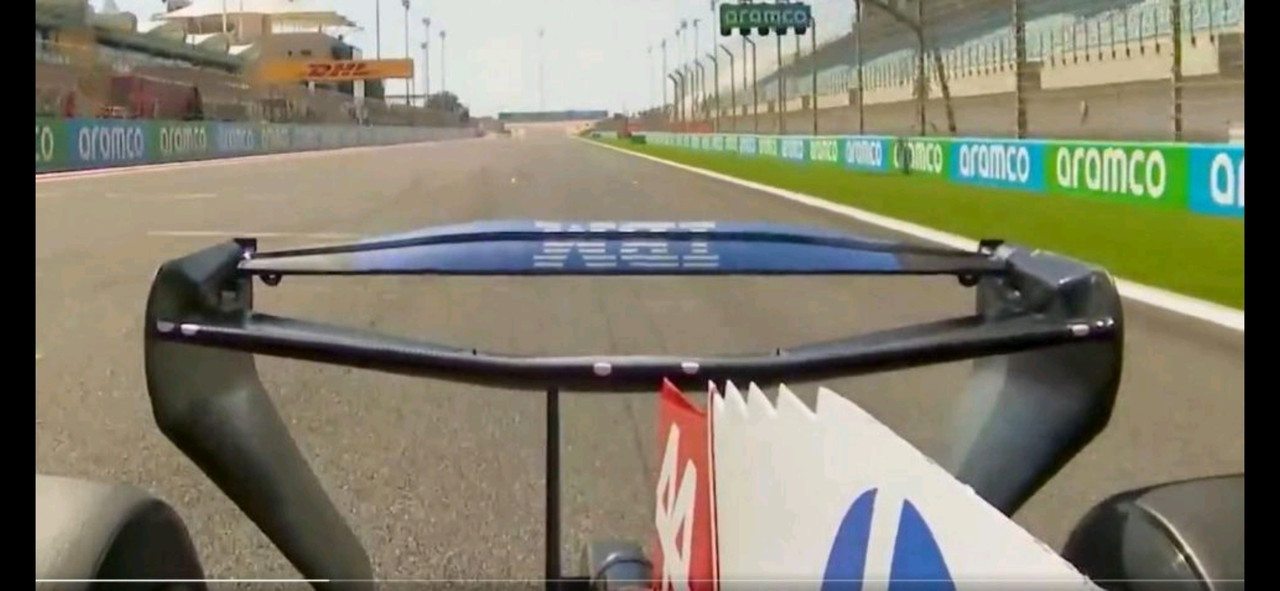
2) The real distinction now will be circuits with long straights and circuits with short straights. The wing takes a longer time to re-attach the airflow when it closes so driver has to disable it earlier or brake earlier and more gradually. That would be a big hindrance on circuits with many shorter straights like Monaco, Singapore, Japan, etc. The best case for this wing is circuits with very long straights where they gain so much time in the straight that braking slightly earlier doesn't matter.
1) I think you certainly still look for efficiency between high speed corners, low speed corners and 90 deg corners or city circuits. I also wrote that there's less distinction between tracks based on straights (I actually think in reply to you somewhere else in the forum), but that doesn't mean that teams will go through the season with a single wing.
This is now also married with teams needing to harvest in the corner, and a bigger wing all the time is going to reduce the harvested energy.
2) I don't think this matters much in the end, they can probably optimize the mechanism to reduce the rotation time significantly, say make it 0.3 or even 0.25s. The way these cars accelerate, they are at top speed halfway through the bahrain straight, most straights will look short to their acceleration.
4-7kph higher speed as well is worth every penny to try and fix the braking part.
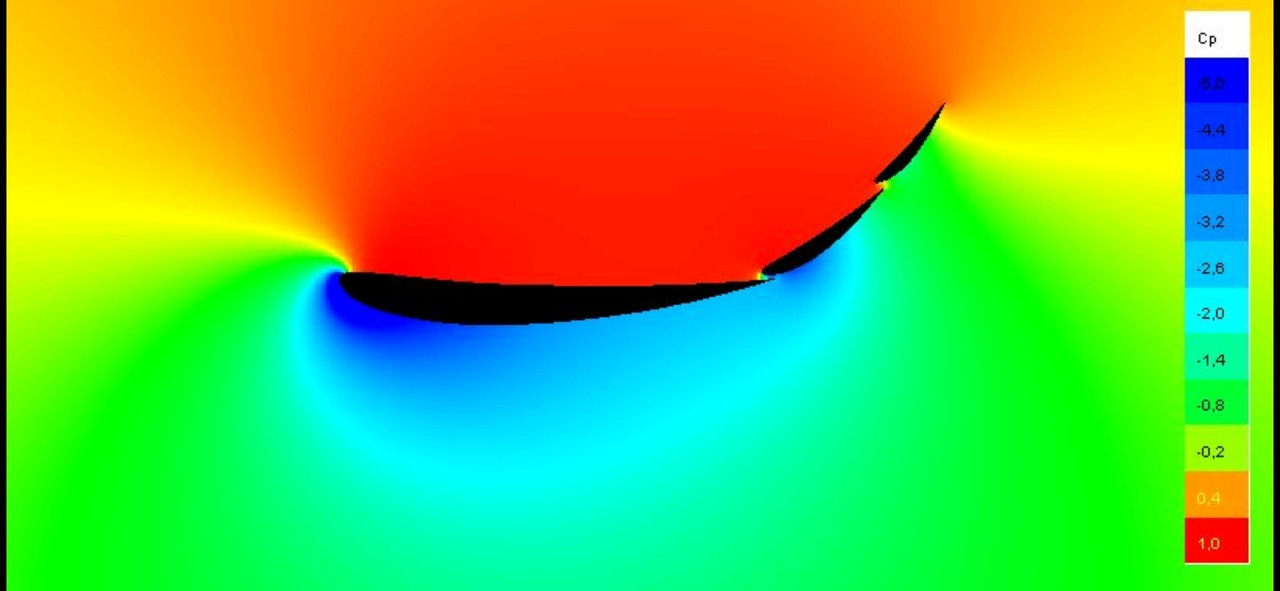
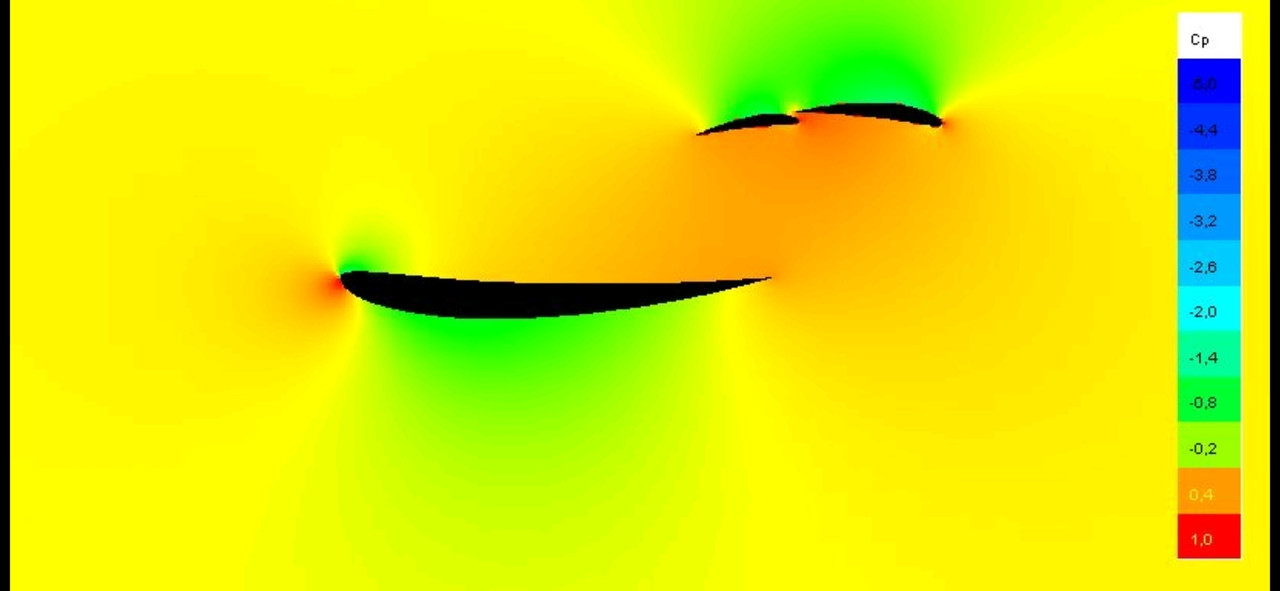
Most importantly anyway the mechanism works with decent camber on the wing, without that camber it won't work as well, nobody is going to have huge camber in Spa, Monza or Silverstone and have to lose battery power to fight the wing drag through fast corners when a smaller wing will work fine anyway.
Anyway we'll see what happens.





 [/url]