- Login or Register
No account yet? Sign up

I don't think the crash structure could handle the heat, given that they chose to make the exhaust gas deflector out of metal, while the crash structure is made of carbon fibre.


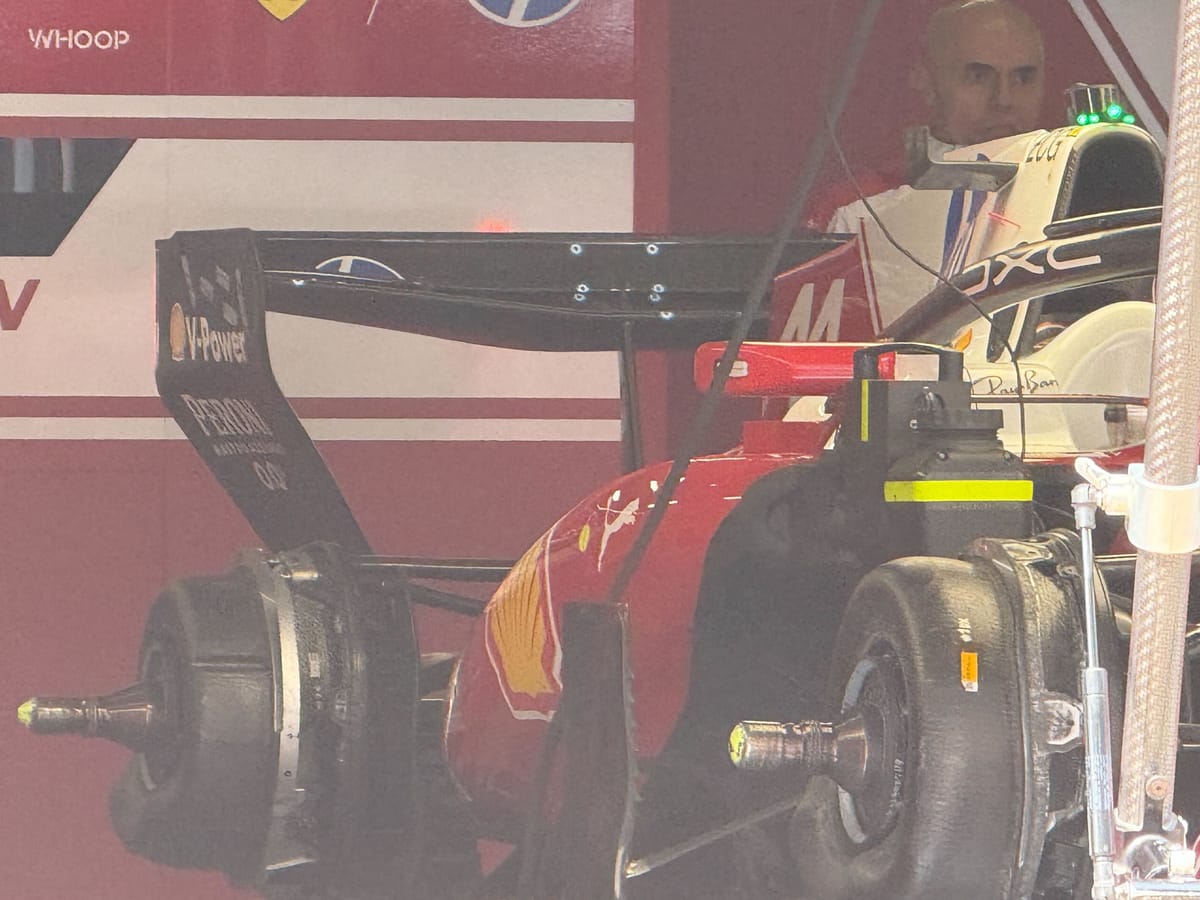
From my background in Cycling Time Trials, we would discuss aero improvements from a Watt perspective, we all knew that they were ‘virtual’ Watts, but we were measuring our own output. Every watt ‘saved’ with aero improvements was converted into increased speed (and reduced time.venkyhere wrote: ↑04 Mar 2026, 20:32As the crude calculation showed, 4-5 KW is too little gain for inventing a whole new rear wing system. Which could mean, that the aim of the macarena wing is not really drag reduction, but something else like play-room for lower static rear ride heightmatteosc wrote: ↑04 Mar 2026, 20:22The number reported was kW, not km/h. 4-5 km/h would be huge, but it is not what is rumored to be.venkyhere wrote: ↑04 Mar 2026, 18:22
Ah.
That makes more sense.
Assuming a baseline top speed of 330 kph with normal wing, that would mean
Cd (macarena) = 0.9559 x Cd (normal), a drag reduction of 4.4% for the extra 5kph, which sounds realistic.
(higher baseline top speed would mean smaller reduction)



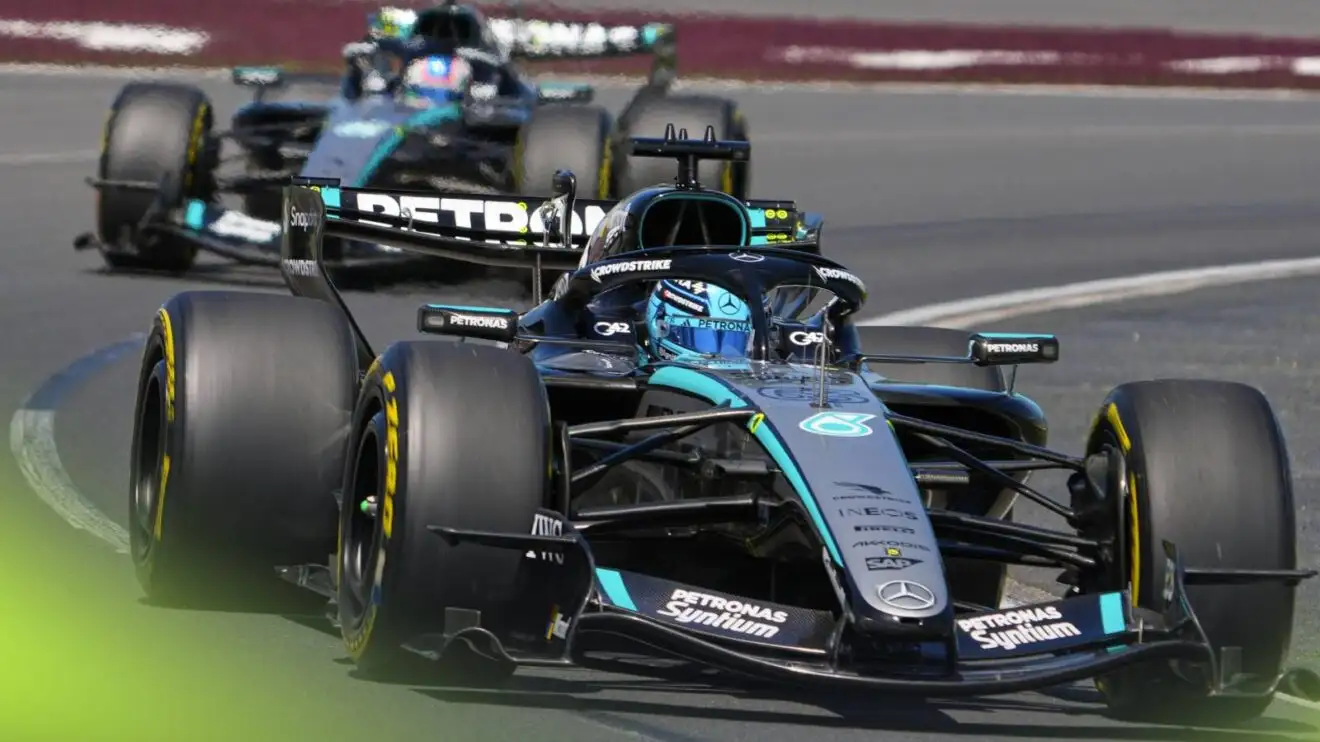
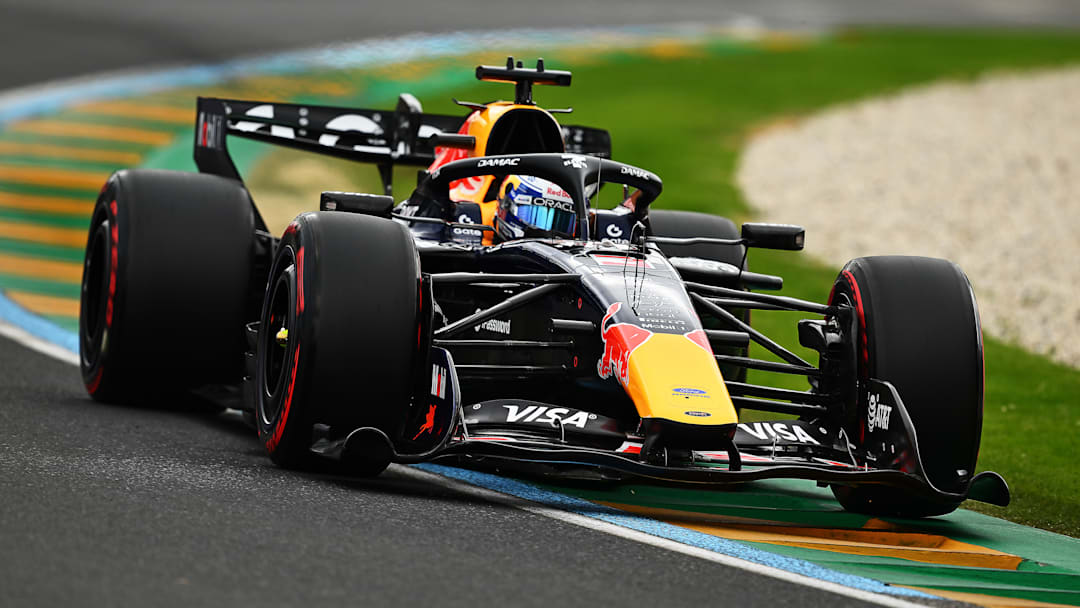

They are called 'diveplanes' colloquially. Like the ones you see on the sides of a submarine. Their purpose in these front wings is to generate spinning vortices that propel around the outside of the front tyres.catent wrote: ↑08 Mar 2026, 02:37Something I noticed during qualifying is that Ferrari doesn't have those long, flat endplates, which extend out from the upper part of the front-wing, parallel to the ground.
McLaren and Mercedes do, and I thought Red Bull did, too, but upon looking at photos of their car, it appears they, like Ferrari, do not.
https://www.formulaonehistory.com/wp-co ... 0x580.webp
https://images.immediate.co.uk/producti ... e=1000,667
https://images.ps-aws.com/c?url=https%3 ... 20x742.jpg
https://images2.minutemediacdn.com/imag ... 0jw9vv.jpg

For the tracks you mention that the straights have slight turns, they cannot have it but with a wing degree that gives them not the full potential but a bit less to be safe? if offcourse its better than the normal wing.AR3-GP wrote: ↑09 Mar 2026, 08:39One of the reasons that the FIA momentarily decided to remove the active aero zone between T6 and T9 in Melbourne is because some drivers said they were sliding in the curves with the wings open in this zone, especially when following other cars in dirty air. I can't imagine how that would have felt if you also have a flipping rear wing that reduces the load even further.
I think the flipping wing has to be somewhat track specific. It works when the straights are straight. When the straights are curved and you need more maneuverability in wheel-to-wheel, I'm a bit more skeptical that the drivers would want it. You need a minimum amount of load to remain maneuverable at high speeds.
Yes that's a good idea. They should fine tune the amount of load that they are dropping for each track. They have to make sure the car doesn't become dangerous in dirty air racing.bluechris wrote: ↑09 Mar 2026, 10:56For the tracks you mention that the straights have slight turns, they cannot have it but with a wing degree that gives them not the full potential but a bit less to be safe? if offcourse its better than the normal wing.AR3-GP wrote: ↑09 Mar 2026, 08:39One of the reasons that the FIA momentarily decided to remove the active aero zone between T6 and T9 in Melbourne is because some drivers said they were sliding in the curves with the wings open in this zone, especially when following other cars in dirty air. I can't imagine how that would have felt if you also have a flipping rear wing that reduces the load even further.
I think the flipping wing has to be somewhat track specific. It works when the straights are straight. When the straights are curved and you need more maneuverability in wheel-to-wheel, I'm a bit more skeptical that the drivers would want it. You need a minimum amount of load to remain maneuverable at high speeds.
They are only allowed to have the wings in 2 positions during a race, open and closed, no intermediate steps allowed. However, nothing is stopping them from adjusting the wing opening between races. I imagine they would be doing that primarily on the front wing to balance out the car, since a rear wing with DRS-like or macarena opening mechanism might set up unwanted aero interactions if the flap only opens part way. Audi and Alpine with their flat-folding rear wings could theoretically adjust their opening amount without much problem, but not sure why they would want to.

I wish we could have actual active aerodynamics like some of the recent hyper road cars from Ferrari, Merc, Pagani. Then you wouldn't be forced into 100% open or 100% closed. But I digress...AR3-GP wrote: ↑09 Mar 2026, 11:00Yes that's a good idea. They should fine tune the amount of load that they are dropping for each track. They have to make sure the car doesn't become dangerous in dirty air racing.bluechris wrote: ↑09 Mar 2026, 10:56For the tracks you mention that the straights have slight turns, they cannot have it but with a wing degree that gives them not the full potential but a bit less to be safe? if offcourse its better than the normal wing.AR3-GP wrote: ↑09 Mar 2026, 08:39One of the reasons that the FIA momentarily decided to remove the active aero zone between T6 and T9 in Melbourne is because some drivers said they were sliding in the curves with the wings open in this zone, especially when following other cars in dirty air. I can't imagine how that would have felt if you also have a flipping rear wing that reduces the load even further.
I think the flipping wing has to be somewhat track specific. It works when the straights are straight. When the straights are curved and you need more maneuverability in wheel-to-wheel, I'm a bit more skeptical that the drivers would want it. You need a minimum amount of load to remain maneuverable at high speeds.