mwillems wrote: ↑05 Sep 2026, 10:30
They often fare better in FP3. I'd hazard a guess that the amount of data to analyse is much bigger this season and the overnights allow them the time to understand the right setup directions for car and engine.
The game has shifted from
(2017 - 2025) : after the initial 3 years of stable 'track-correlated data' (only a handful of new tracks came, others have remained the same, except a few corner modifications on some of them) => easy to get the 'simulator baseline setup' fairly matching the final well tuned one. FP2/FP3 is all about fine tuning and getting as close as possible to theoretical performance from the car.
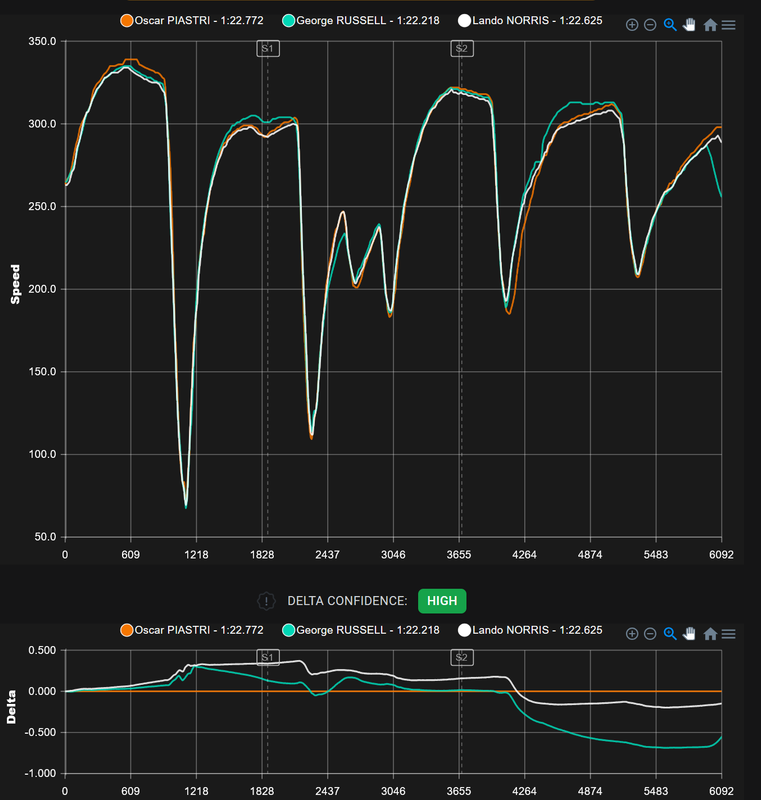
(2026 -- ) : despite the evolution of sim tech, data crunching AI etc, the gap between 'model' and 'actual' doesn't vanish. Track-collected data is still invaluable. Given the completely new energy distribution and presence of SLM modes => total reset of the 'modelling parameters' in the sim tools. Only 'some aspects' of a decade of legacy track data is useful. That means 'getting it first time right' for FP1 is hard. Only post FP2 do the teams have a 'baseline'. Then they get only FP3, in non-representative conditions, to 'fine-tune'. On top of this, before every weekend, the FIA provide which energy-usage-profile 'band-aid plaster' applies for that particular weekend's track -> the simulator algorithms cannot use a lot of 'learning' from some previous track with the same car, that had similar asphalt grain and similar corner profile. So no car on the grid is anywhere near the 'precision tune' that previous era cars achieved, before going into Q. It will be late 2027 or even 2028, by the time they do that. Until then, all teams are in a huge flux all the way through the endf of FP3.