

- Login or Register
No account yet? Sign up

Putting PU characteristics aside, you'll notice that the AM also has some of the smallest inlets. There are different ways to design a cooling system through the length of the vehicle: some go with small inlets and big outlets like AM, others go big inlets and small outlets like Alpine and Merc. It's just a design choice with trade-offs that each team will judge a little differently.
I didn't mean that. I said that maybe they introduced this connection to also reduce weight of the pylons.venkyhere wrote: ↑24 Jul 2026, 16:34wiktor977 wrote: ↑24 Jul 2026, 15:27This can also be the weight reducing solution, strengthening RW pylons for them to be able to take massive horizontal loads adds additional weightsucof wrote: ↑24 Jul 2026, 14:53
This new more rigid solution with the horizontal connection might be telling about their past troubles.
Looks like they did great effort to have that strengthened part, so it might have caused the rear to misbehave.
To me it looked bad when they presented it, so I am not surprised.
The "horizontal connection" that you guys are referring to , has nothing to do with strengthening the RW pylons. It the rear leg upper wishbone "longbow style" (just like front leg upper wishbone at the front of the car) as mentioned by @AR3GP.
Very likely. They would have had to overbuild the previous design to keep it from flexing, whereas this is much more efficient from a structural standpoint. I'm also curious if they could give this crossbar an aero profile, though maybe the FIA would frown on that.

It's static, as far as I can see. To support the centre hinge point at the furthest pivot from camera position. That pivot-point would be in alignment with the outer two holding the moveable flap. It arcs in such fashion to give clearance to front of flap rotating upward when deployed.Brahmal wrote: ↑24 Jul 2026, 21:40https://cf.preview.redd.it/new-actuator ... b11424eb4a
So what possible justification would there be for this massive scythe-like structure on top of the actuator pod? I'm wondering if this is more a canvas to stick a bunch of little winglets to later on than anything mechanical or structural.
It's clearance for the new arm:FNTC wrote: ↑24 Jul 2026, 22:16Yeah, I don't understand the need for that bow on top there either. Very strange. It must have some kind of aero benefit, if not now, then in the future. If you look at the mechanics there, it would work the same without it. It only stiffens things a bit. Maybe the wing flexes too much without it so they had to add it?
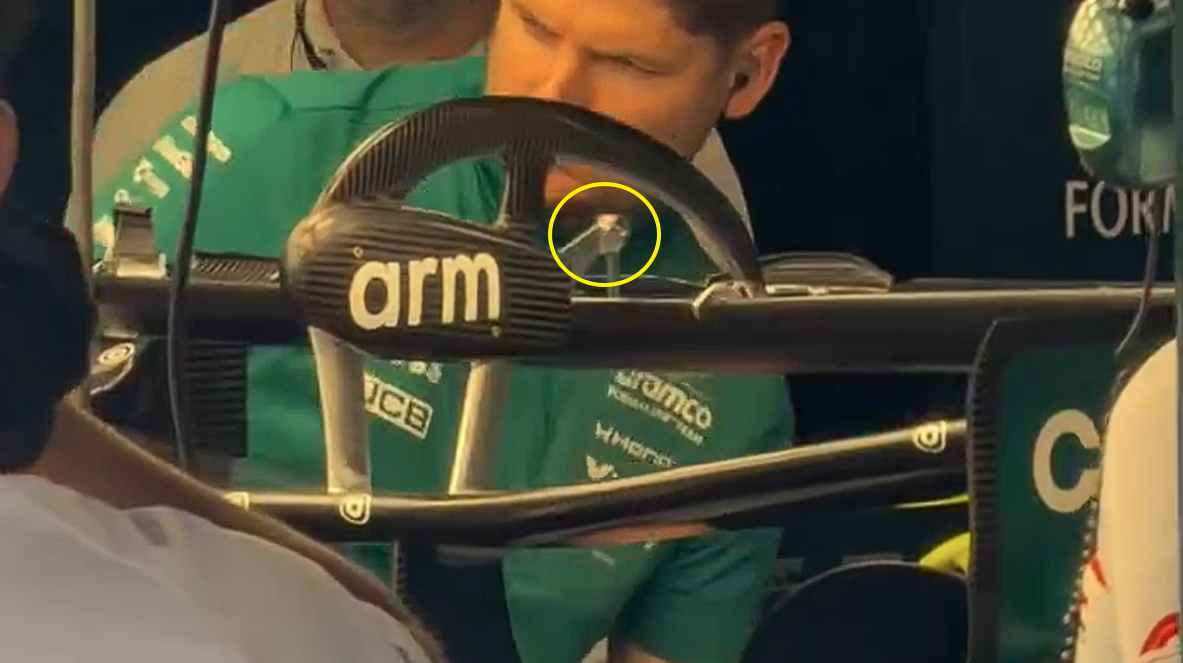
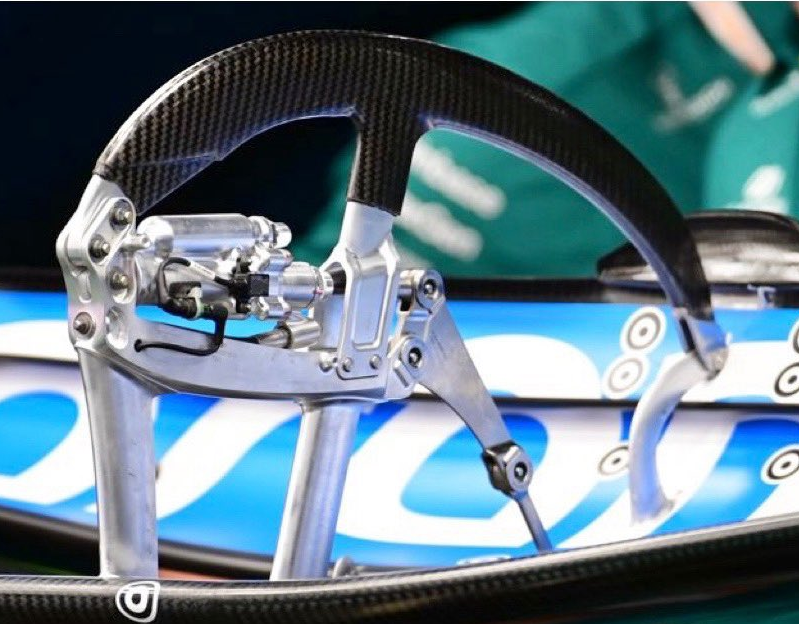
I think it is done for stiffness reasons.FNTC wrote: ↑24 Jul 2026, 22:38I'm just saying if you remove that top carbon fibre bow, the mechanics of the wing remains the same, look at it:
https://iili.io/COyzL42.png
Unless its aero related I think the only reason is the top wing element fails its flex test or something without it.
Old one for comparison:FNTC wrote: ↑24 Jul 2026, 22:38I'm just saying if you remove that top carbon fibre bow, the mechanics of the wing remains the same, look at it:
https://iili.io/COyzL42.png
Unless its aero related I think the only reason is the top wing element fails its flex test or something without it.
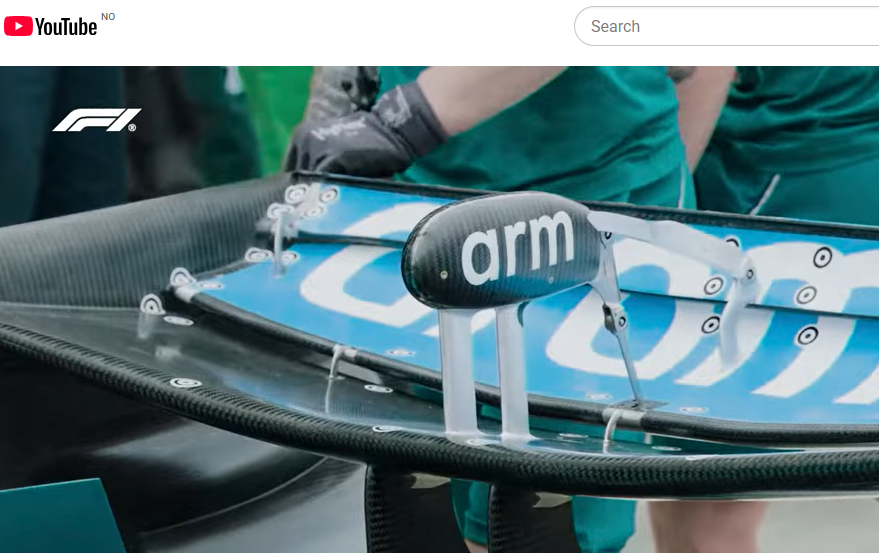
Might be a clue here. Replacing that metal arm with this carbon bow could be in conjunction with the massive weight-saving program, trading a tiny bit of aero efficiency to pull as much weight out of the assembly as possible without compromising structural integrity. And they can stick a bunch of winglets on later. That's my best guess.