sucof wrote: ↑15 Feb 2026, 13:10
Leon Kennedy wrote: ↑14 Feb 2026, 22:52
Guys, I found some really interesting things on x and I'll tell you my theory.
https://x.com/i/status/2022758881986838925
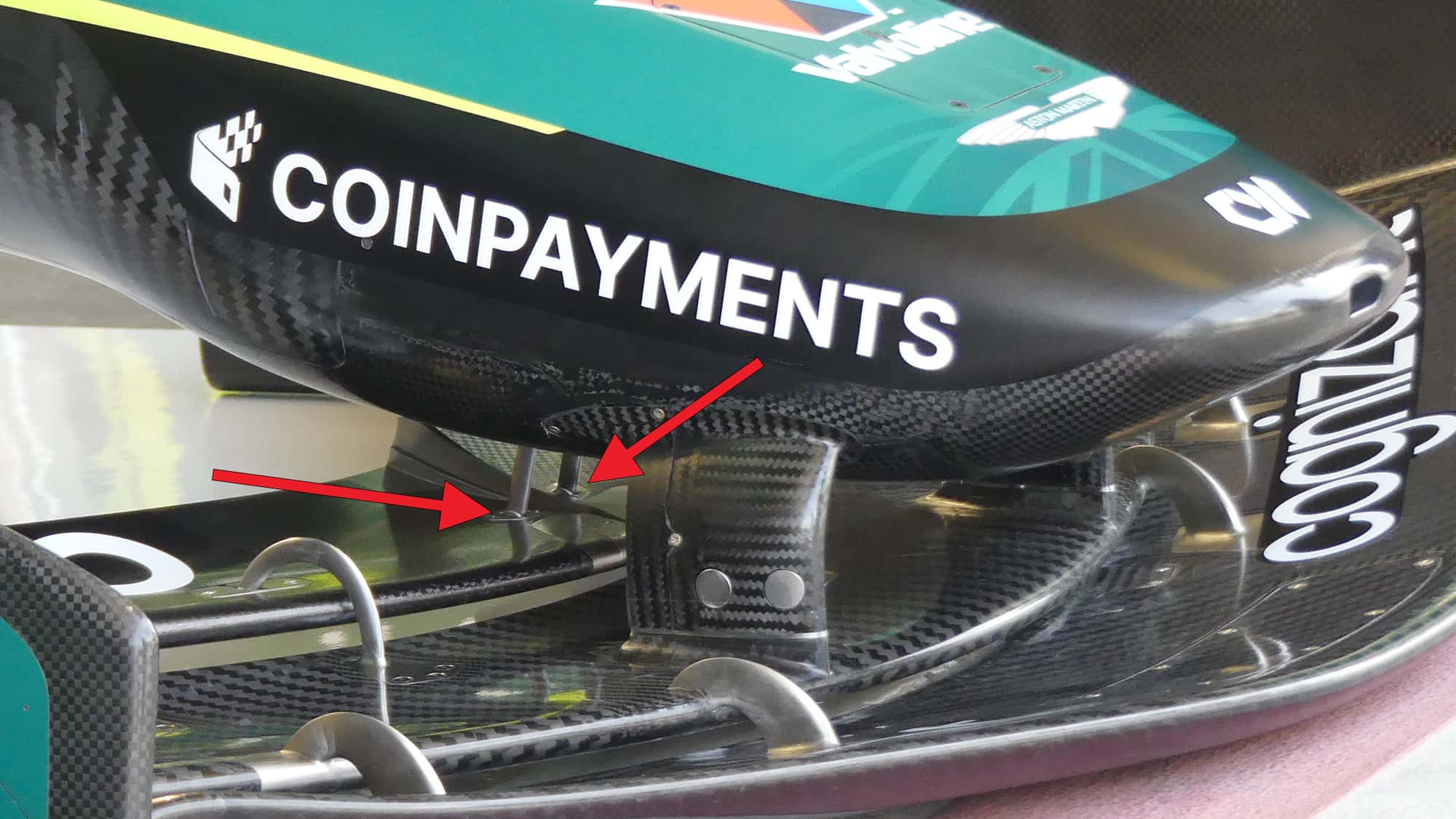
The fact is that they cover the frame when they start the engine without the nose cone.
If it's true that:
they cover the front area and only do it with the engine running, with the engine off and then something related to the hydraulic pressure changes state.
Engine running = hydraulic pressure
In the F1: The ICE puts pressure on the hydraulic system, infact the hydraulics govern:
gearbox
clutch
differential
power steering
and especially suspension systems.
The most plausible hypotheses:
3.Hydraulic preload system
When there is pressure, could stabilizes
and with the engine off, it is "soft"
2. Pitch control via interconnection and could try to limit height variations
3. Platform anti-stall system and maintains a constant floor height as load increases.
What do you think about this? For me it's a gray area.
I am not sure if I read your post correctly, but if you suggest a hydraulic suspension that changes, then that is strictly forbidden in F1. No active suspension is allowed.
There are multiple rules in F1 just to prohibit interlinked suspension systems, or anything that change its properties in any way.
Actually, is forbidden any system that: Actively changes ride height, changes stiffness based on electronic inputs, reacts via control unit and uses sensors and actuators to stabilize.
While things like following systems are permitted:purely mechanical, purely hydraulic but passive without electronic control that react only to applied forces
Example: A hydraulic system that stiffens under load because it naturally increases pressure (without an ECU) is legal. It's a subtle but crucial difference.
Since 2022, they have severely limited interconnected systems (such as FRIC).
But they have not banned all forms of mechanical connections. They have banned: systems that control pitch artificially, that actively maintain a constant platform. But you can still design a suspension that: has nonlinear behavior, uses internal hydraulics and exploits a pressure accumulator works intelligently but passively.
Newey is a master at precisely this.
"
anything that changes its properties in any way."
That's not quite right.
Suspensions ALWAYS change their properties under load. It's their nature.
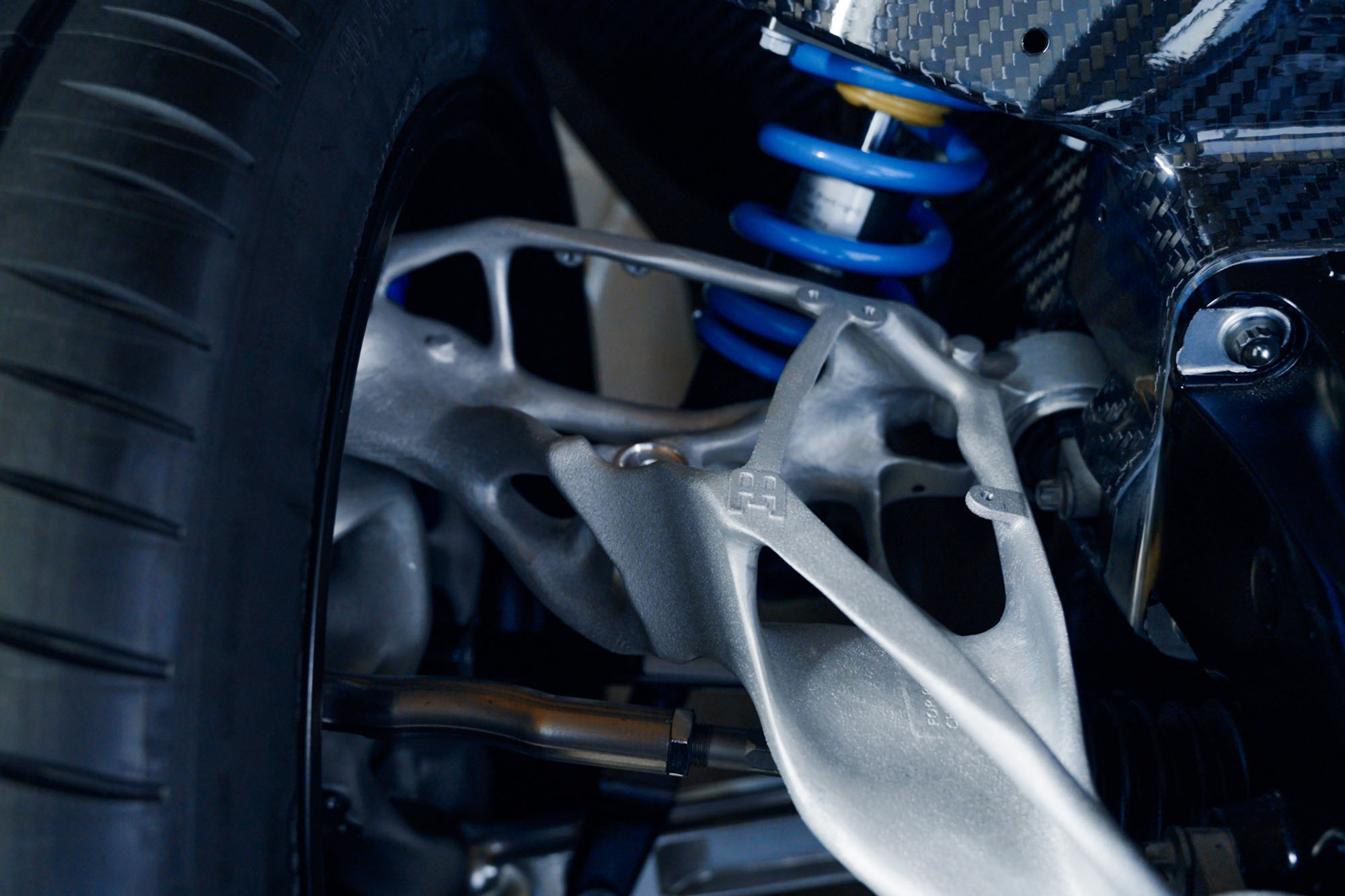
Doing so with active control or external logic is prohibited. In my opinion and view, they might have designed a borderline passive suspension. The front suspension arms are really extreme, they might have found something along with maybe some s ducts that helps stabilize.
There's not just Newey, there's also a certain Bob Bell who few people talk about and who was one of the creators of the Mass Damper.

 ).
).
 " demonstrates your own ineptness and isn't needed. A simple question asking for clarification would be appropriate.