
- Login or Register
No account yet? Sign up

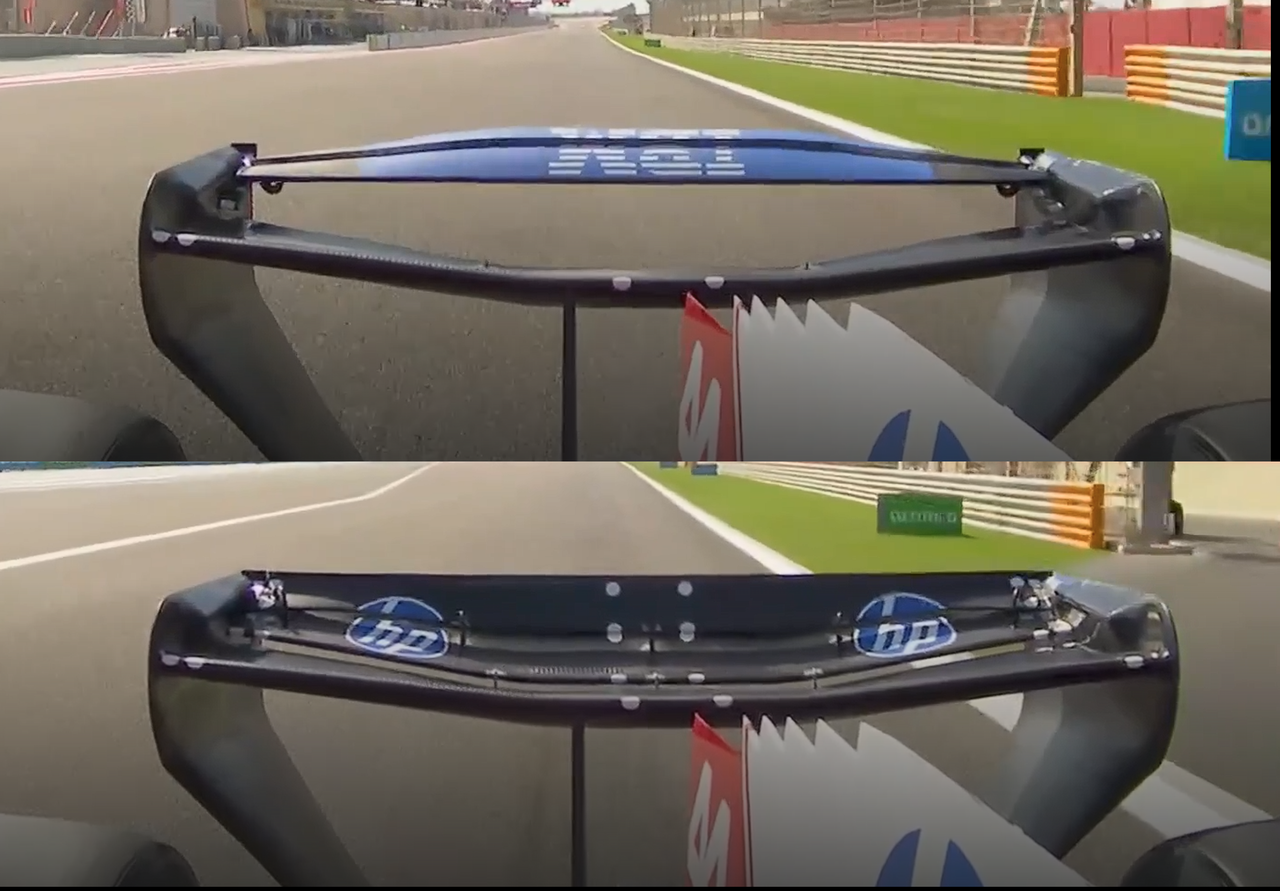
You can actually see the rear wing lift a bit and then squat down again in the full video of the actuation, showing the lift and return to downforce.motobaleno wrote: ↑19 Feb 2026, 13:00not highlighted yet the simple fact that a rotated downforce wing will likely produce lift meaning first of all a decreased load and friction (with the tarmac) for the rear tyres...apart for eventual aerodynamic drag reduction
I was thinking about this actually. It might be a problem for corners which require steering input very quickly after braking (T1 Australia for example). The rear might be less stable for longer than others.Seanspeed wrote: ↑19 Feb 2026, 13:19Is the comparatively slow deactivation speed not a huge problem? You want all the downforce you can get the moment you slam on the brakes, so it seems like the ideal situation would be to start the deactivation before you hit the brakes? But that seems like it'd be complicated to setup.

Its the oil breather, the FIA brought it in when there was the oil burning 'controversy' in 2017. All cars have it. IIRC Ferrari always seemed to produce a more noticeable whisp out the pipe than other PU's during the last PU cycle.

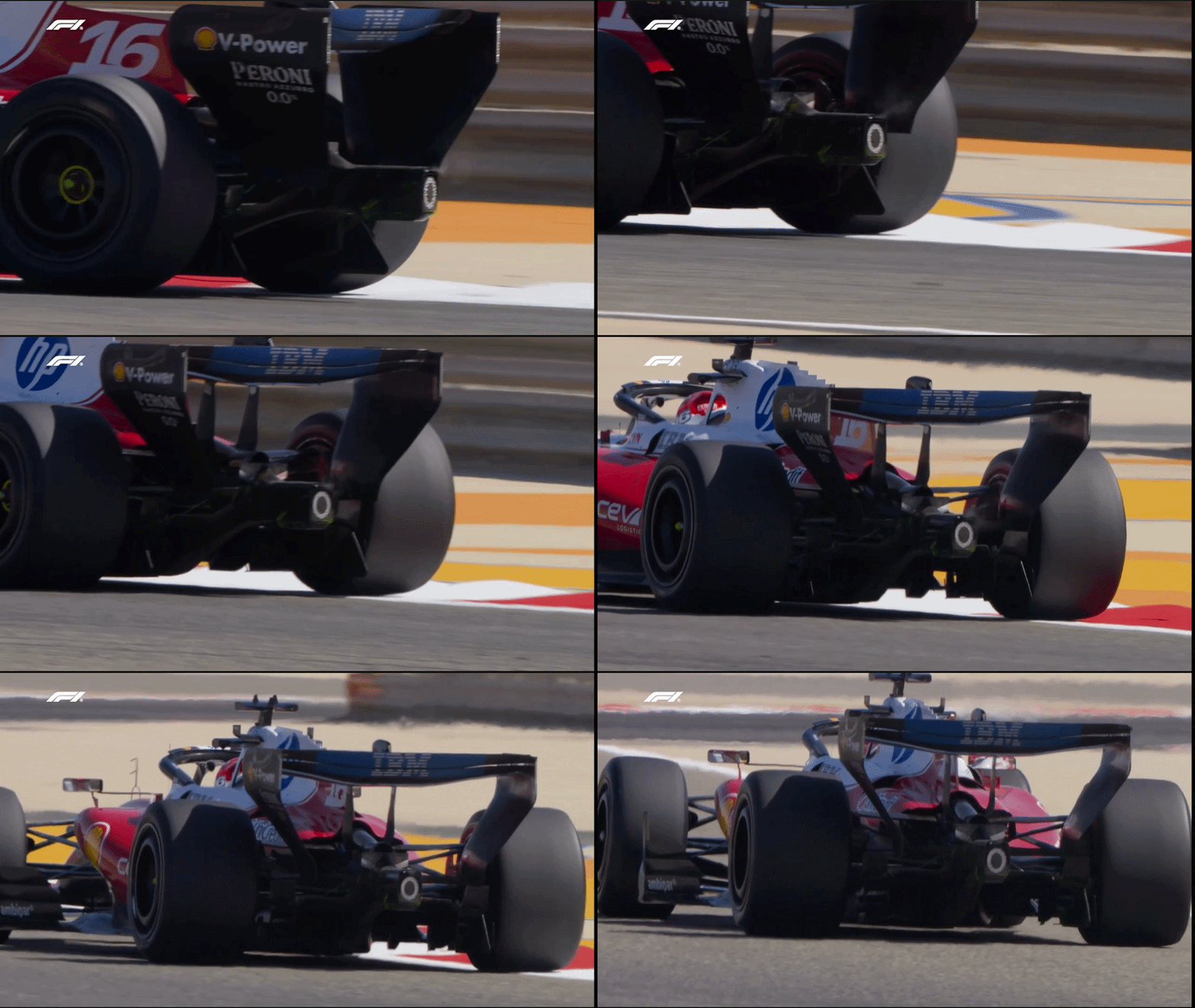

Could it be that they are creating an air-curtain to lower the pressure behind the diffusor?venkyhere wrote: ↑19 Feb 2026, 08:29It's blowing the 'gap' between rear wing and diffuser at such an angle that it produces additional suction strong enough to :
- increase the speed of air hitting the underside of rear wing mainplane
- increase the speed of air exiting the diffuser.

 I see this as blowing the rear wing!!