A place to discuss the characteristics of the cars in Formula One, both current as well as historical. Laptimes, driver worshipping and team chatter do not belong here.
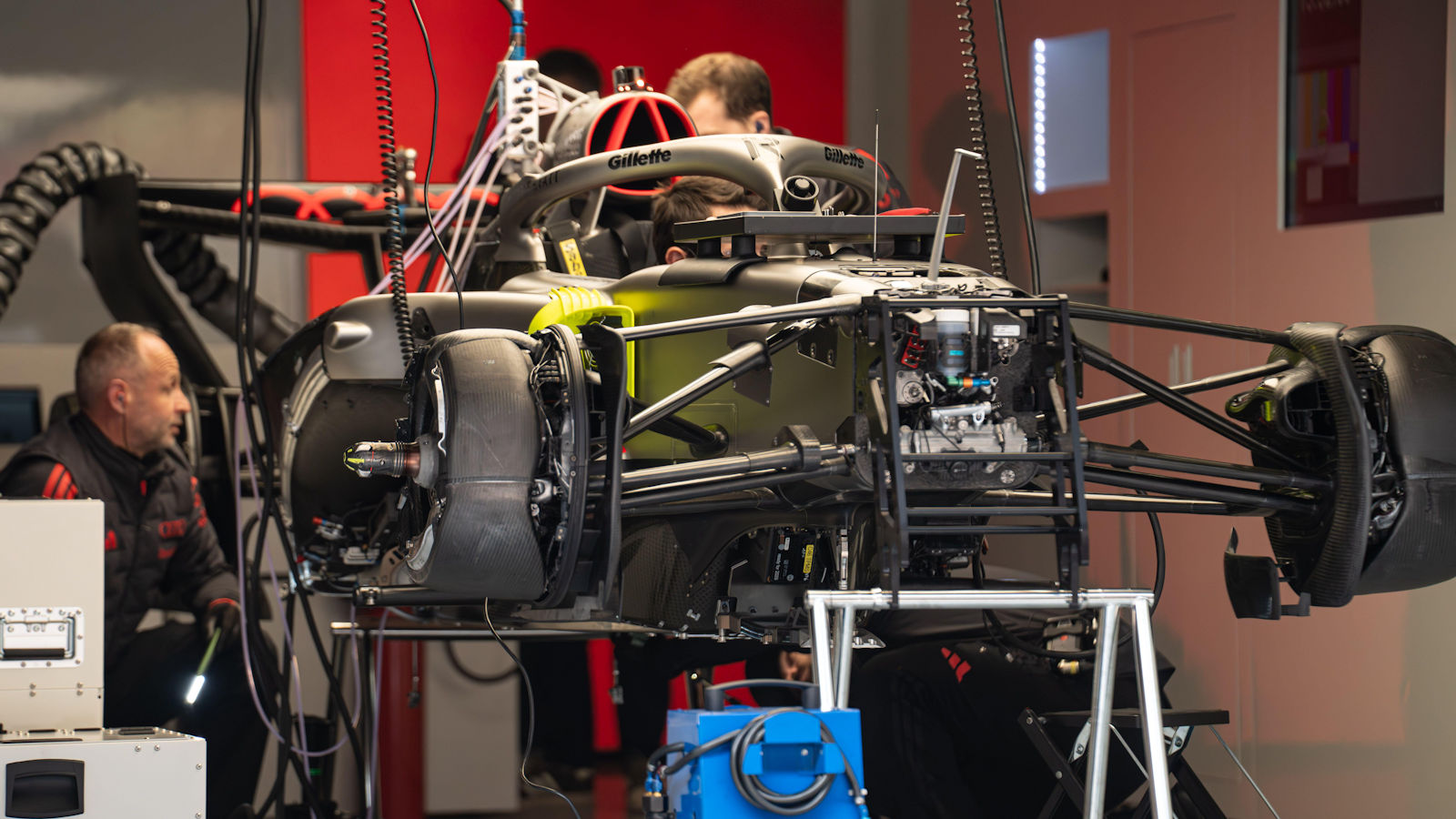
The article also says "four pads." So two pads per front brake?
Four pads would mean two on each side of the brake caliper. To be clear, the 8 pistons are also distributed 4 per side of the caliper. So the front brake calipers (left and right) would have a total of 16 pistons, and 8 pads. Sounds a bit mad
Oh wow, I assumed that "4 per side" was referring to the left and right side of the vehicle, not the left and right side of the brake disc! For context, what is the typical arrangement for one front wheel? Six pistons and two pads?
The article also says "four pads." So two pads per front brake?
Four pads would mean two on each side of the brake caliper. To be clear, the 8 pistons are also distributed 4 per side of the caliper. So the front brake calipers (left and right) would have a total of 16 pistons, and 8 pads. Sounds a bit mad
Oh wow, I assumed that "4 per side" was referring to the left and right side of the vehicle, not the left and right side of the brake disc! For context, what is the typical arrangement for one front wheel? Six pistons and two pads?
Total overkill with all the Li-Co & electrical management.
I think having more pistons allows them to exploit the brake pad contact area more efficiently. The brake pad is not infinitely stiff. That means the force from the piston is concentrated inside the contact area with the pad. The "fringes" of the pad don't clamp the brake disc with as much force. Its wasted area.
More pistons (which are smaller) also might allow them to concentrate the force on the disc at the outer most edge of the brake disc. Due to the greater moment arm at this point, it's more efficient to bite the brake disc near the outer edge. The limit of brake disc diameter is that it needs to fit inside the wheel so you're fighting against that when you design the caliper.
I think having more pistons allows them to exploit the brake pad contact area more efficiently. The brake pad is not infinitely stiff. That means the force from the piston is concentrated inside the contact area with the pad. The "fringes" of the pad don't clamp the brake disc with as much force. Its wasted area.
More pistons (which are smaller) also might allow them to concentrate the force on the disc at the outer most edge of the brake disc. Due to the greater moment arm at this point, it's more efficient to bite the brake disc near the outer edge. The limit of brake disc diameter is that it needs to fit inside the wheel so you're fighting against that when you design the caliper.
Reminds me of the 2006-13 Corvette Z06. On the iron brake package, I think it had 6 pads for each caliper.
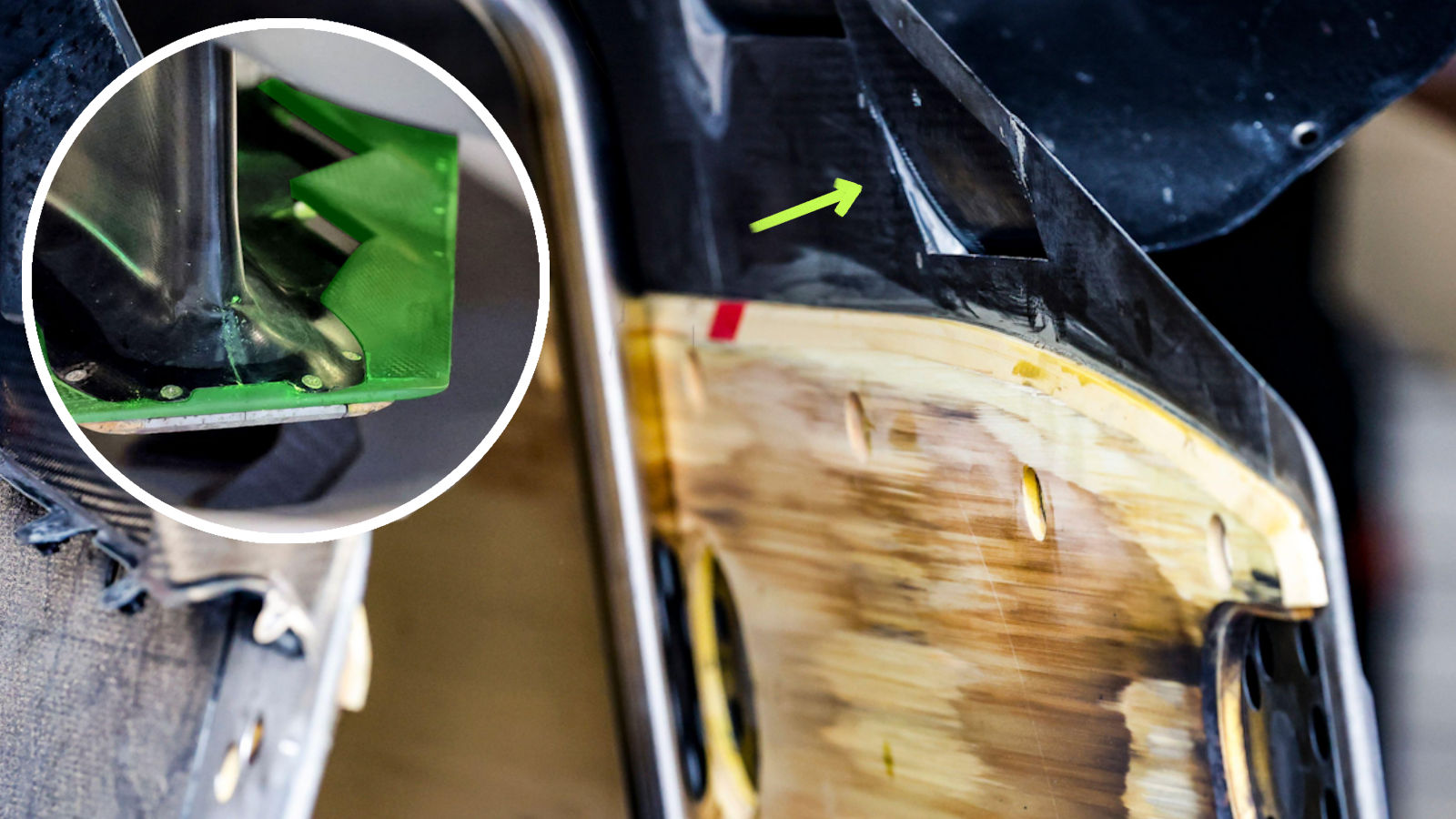
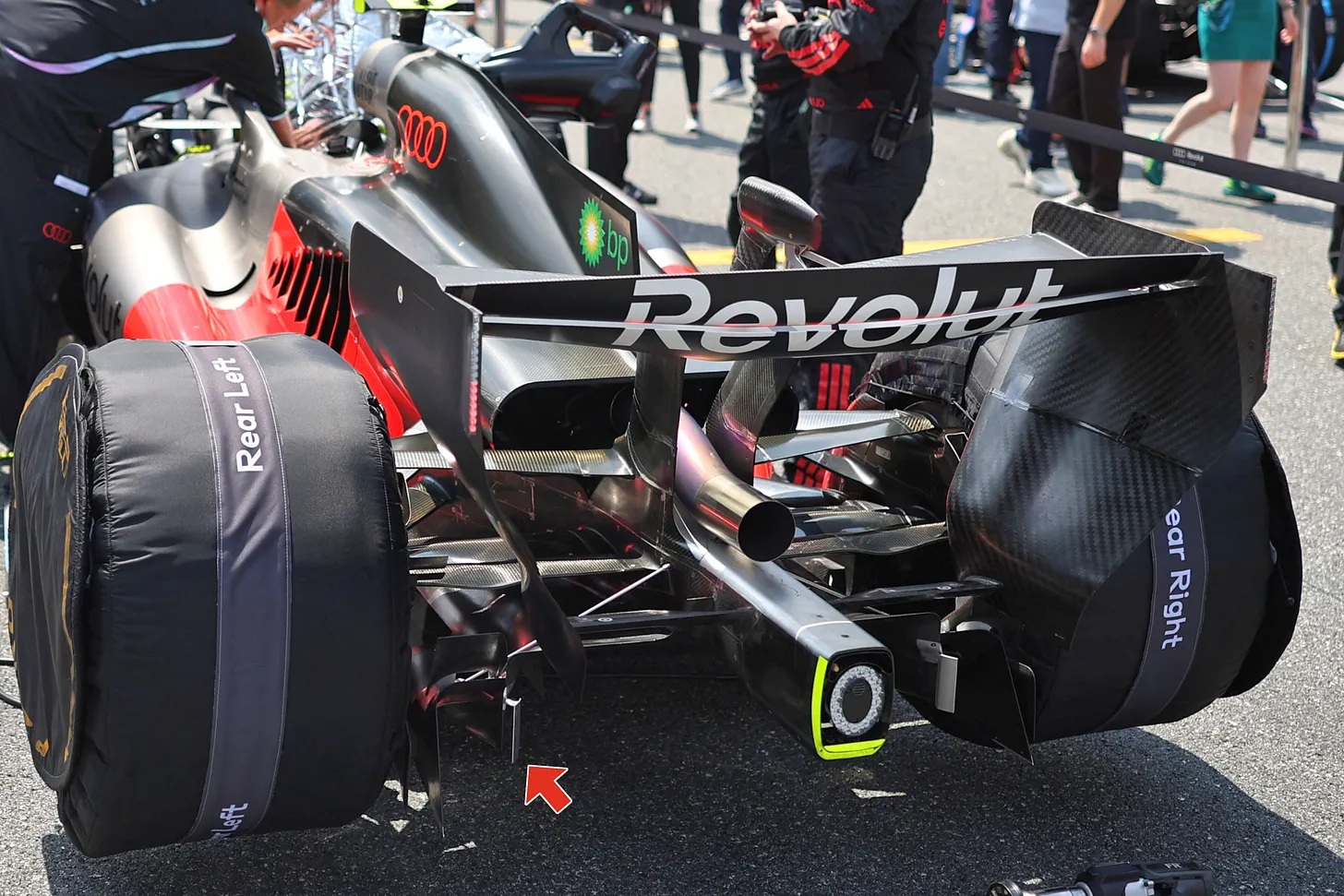
It seems like Audi would have a very easy time adopting the Red Bull sidepod solution as they are the closest to it in practice. They have the gulley but lack the hard shoulder which is seen as a loophole.
It seems like Audi would have a very easy time adopting the Red Bull sidepod solution as they are the closest to it in practice. They have the gulley but lack the hard shoulder which is seen as a loophole.
Well Rbr clearly copied Audi on the bodwork tail. Surely Audi is better of with what they have